
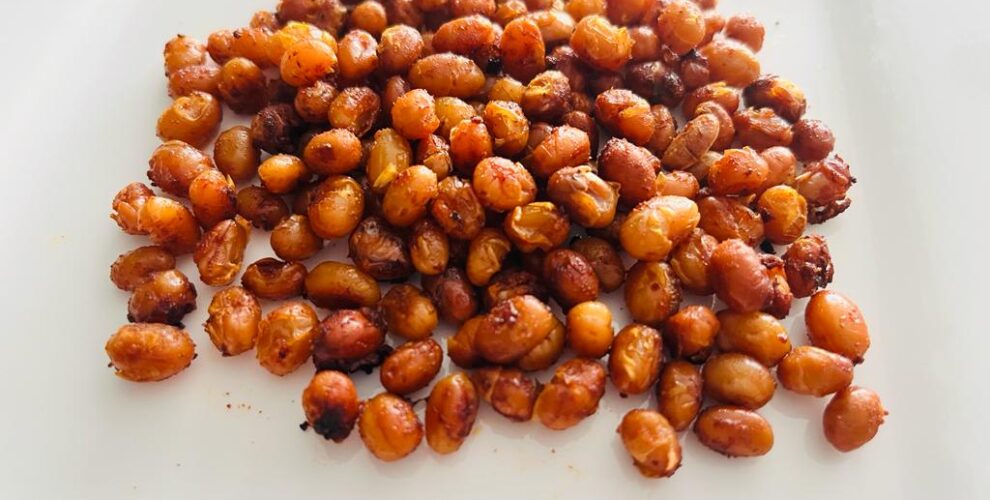
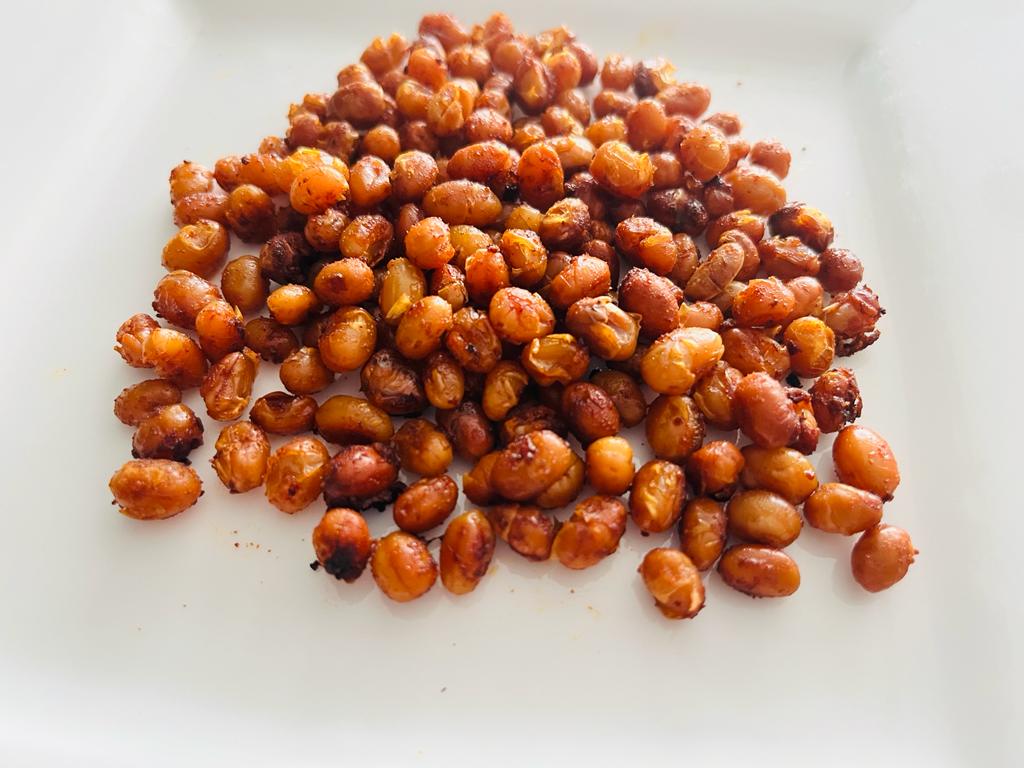
Soya is a versatile plant-based protein that can be used in many different forms, including tofu, tempeh, miso, soya sauce and soya nuts (beans). It has lots of nutritional benefits, and can be grown in Europe. The nutritional benefits discussed below are for soya in an unprocessed, or minimally processed form. This does not include highly processed meat substitutes containing soya, which are more complicated and controversial.
Firstly, the nutrition side
Protein
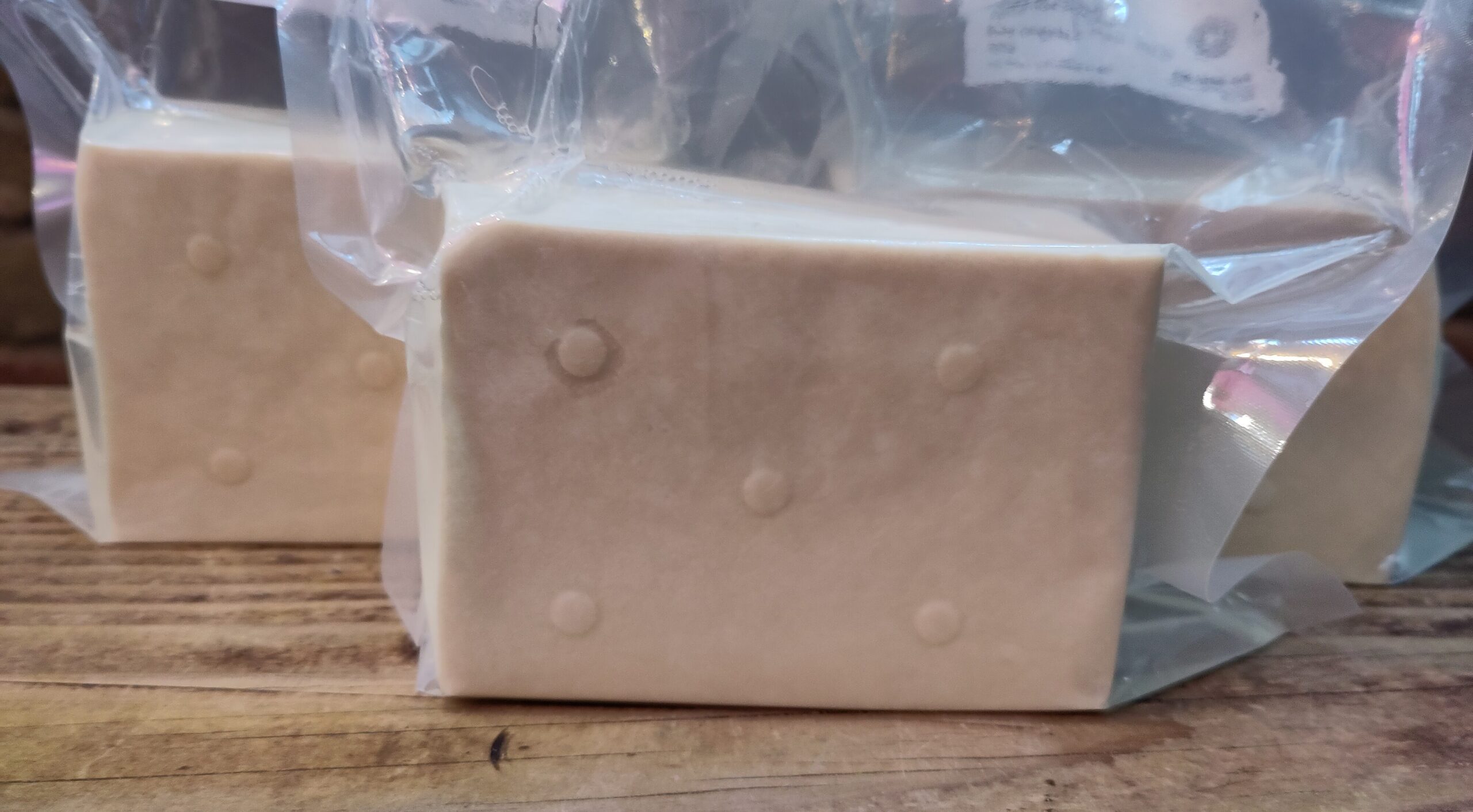
Soy-based foods are an excellent source of plant-based protein. Tofu and tempeh, for example, are both rich in protein and are great meat substitutes for vegetarians and vegans. Soybeans contain all the essential amino acids needed by the body, making them a complete protein source. Consuming soy-based foods can help improve muscle growth and repair, making it an ideal food for those who lead an active lifestyle.
Isoflavones
Isoflavones are natural compounds found in soybeans. These have been shown to have several health benefits, including reducing the risk of certain cancers, such as breast and prostate cancer. Studies have shown that consuming soy-based foods can help reduce the risk of breast cancer in women. Isoflavones can also help reduce the risk of heart disease.
Cholesterol
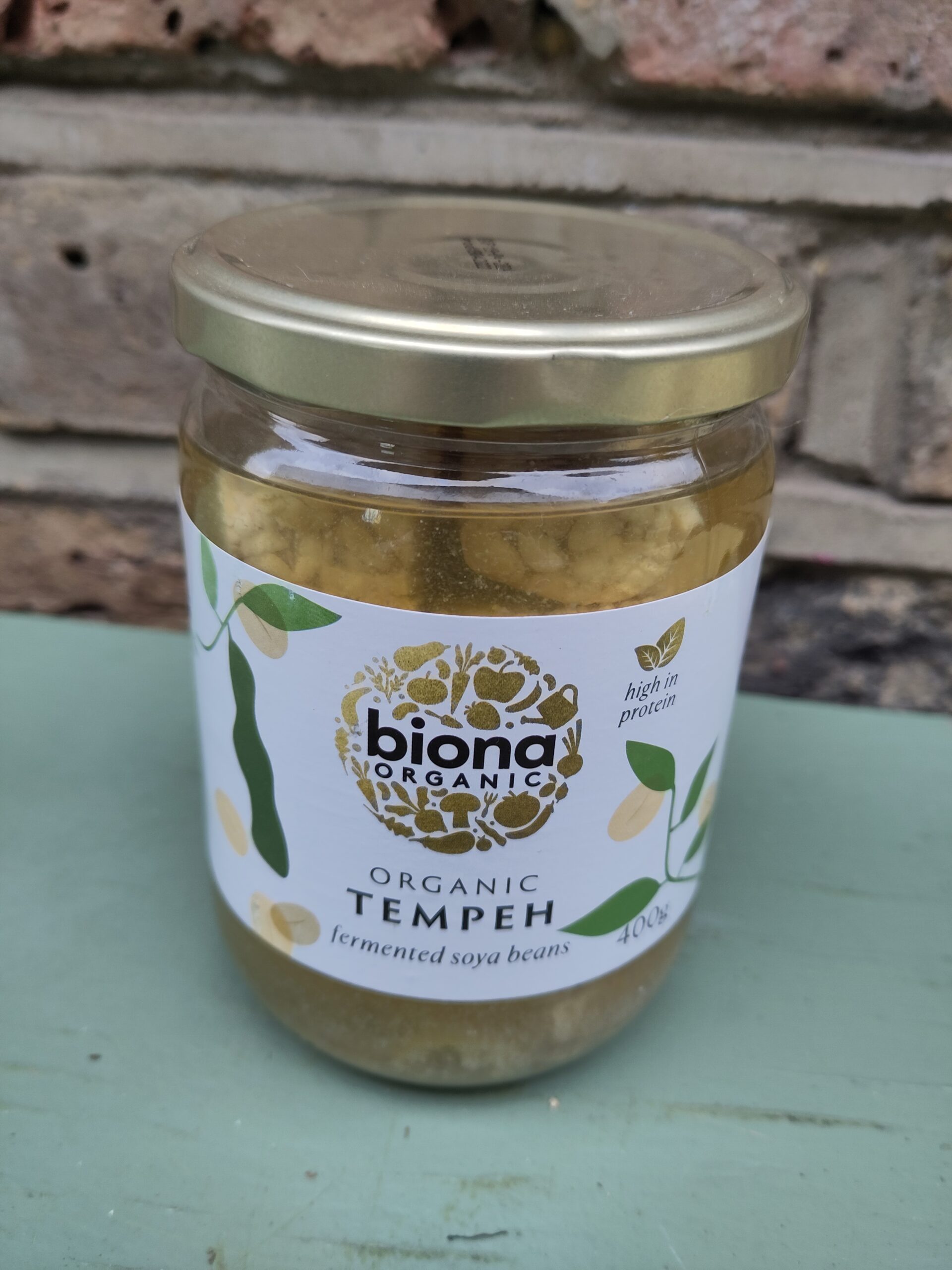
Consuming fermented soy-based foods such as tempeh and miso can also have cholesterol-lowering effects. Fermented soy products contain compounds called phytosterols, which have been shown to have a small effect on lowering LDL cholesterol levels, also known as “bad” cholesterol.
Vitamins & Minerals
Soy-based foods are an excellent source of vitamins and minerals. Fortified soya milk, for example, is a good source of calcium and can help improve bone health. Tofu is also an excellent source of iron and useful addition to a plant-based diet. Soy-based foods also contain several B vitamins, which are important for maintaining good health.
Fats
Being low in saturated fats and high in healthy fats, makes soy-based foods ideal for those looking to maintain a healthy weight. Soy-based foods have been shown to reduce inflammation in the body, which is linked to preventing chronic diseases such as diabetes, heart disease, and cancer.
Probiotics
Furthermore, fermented soy products like tempeh contain probiotics that can improve gut health and support the immune system. Probiotics are live bacteria and yeasts that provide health benefits when consumed in adequate amounts. The fermentation process involved in producing tempeh and miso allows for the growth of beneficial bacteria that can help maintain a healthy balance of gut flora.
Hormone balancing effects
Soy isoflavones (a type of plant estrogen) bind to the same receptors as estrogen. When isoflavones bind to some receptors, they mimic the effects of estrogen. When they bind to other receptors, they block estrogen’s effects.
This has led people to feel that soy based foods can help balance hormones during peri-menopause and menopause. Especially to alleviate hot flushes, that some people experience at this time. The evidence for this is limited, and needs more research. However, people from countries that traditionally eat a higher level of soya products throughout their lives report lower levels of hot flushes.
Some recipes that I love using soya ingrediants (and a plug for Get Loose!)
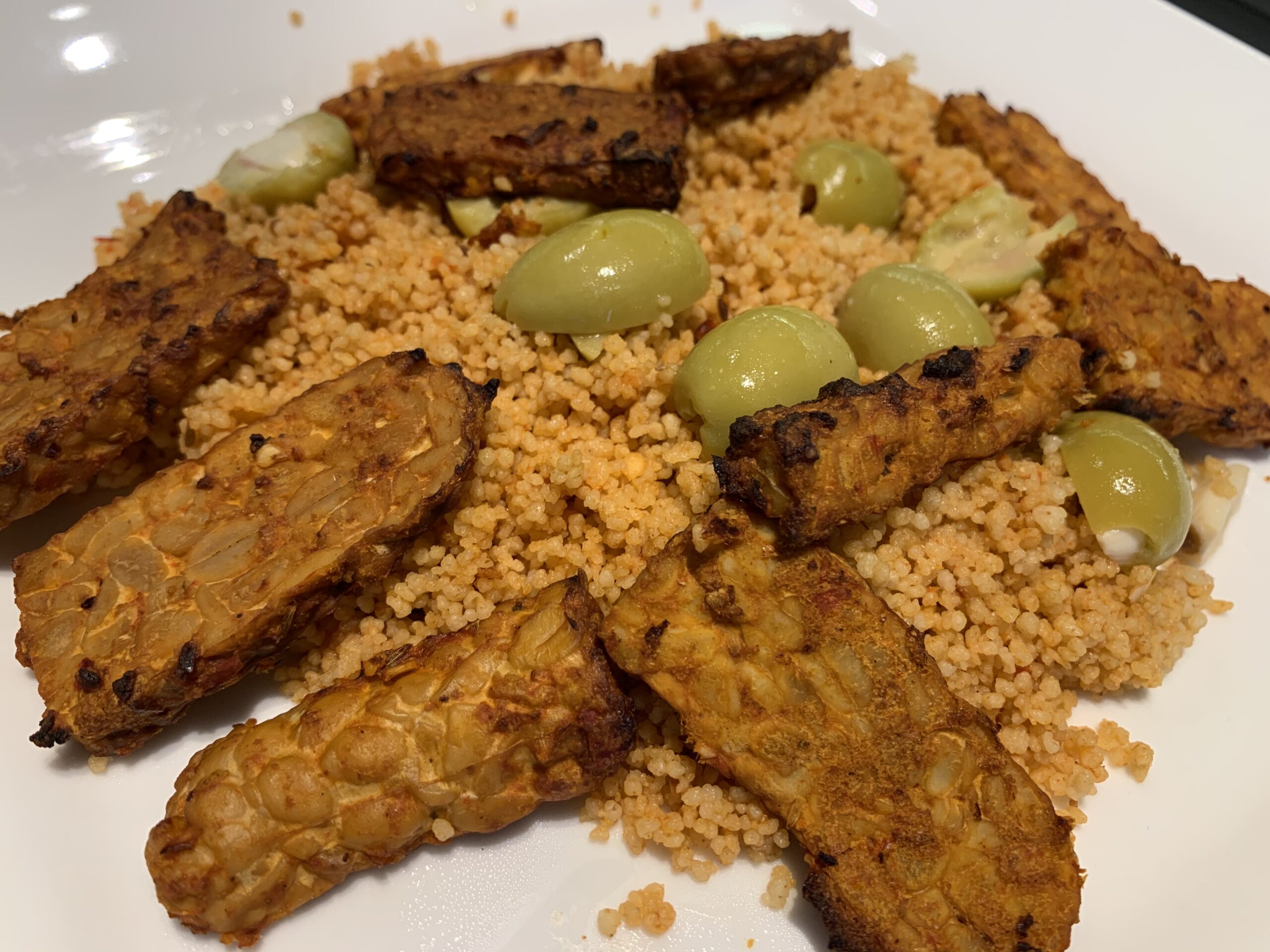
Secondly, the farming and food miles issues
Farming practices
Soya gets a deservedly bad reputation for being one of the causes of deforestation, and monoculture production. The vast majority of this soya is for animal feed, not direct human consumption. Figures on this vary from 75-85%. Meaning that the soya you buy as a human food, is unlikely to be encouraging deforestation.
I buy organic soya products to help ensure less damage to soils, and people, has occurred. If you can get soya based products that have been grown in Europe that’s even better. Clean Bean Tofu is a great example of this.
GM (Genetically modified) soya is a controversial issue in most sustainability circles. Here in the UK foods legally have to be labelled if they contain GM ingredients. However as GM soya is mostly in the animal feed chain, not in direct human consumption. Any regular meat produced with this feed does not have to be labelled as containing GM soya. As it doesn’t, sort of! BUT organic certified food (including meat) cannot; contain GM ingredients, have been fed GM animal feed, been grown using GM contaminated inputs, or be a GMO (genetically modified organism).
Food miles
Of course shipping products from the other side of the world, that could be grown locally, adds to their carbon footprint. This can be hard to find out as the “made in” label is often where the item was constructed or processed. The different ingredients may have come from a range of difference countries. Some companies will be transparent about where their main ingredients come from. Especially those they know can be controversial. Also if a company is getting their soya from Europe it’s a great selling point, so why not tell people!
Meat Free Mondays
Many omnivores are eating less meat. Swapping to a few more meat free meals a week can save money, increase your food diversity and reduce the carbon foot print of your diet. Soya products are for everyone not just the veggies and vegans!
What are your favourite soya recipes?


0 Comments