
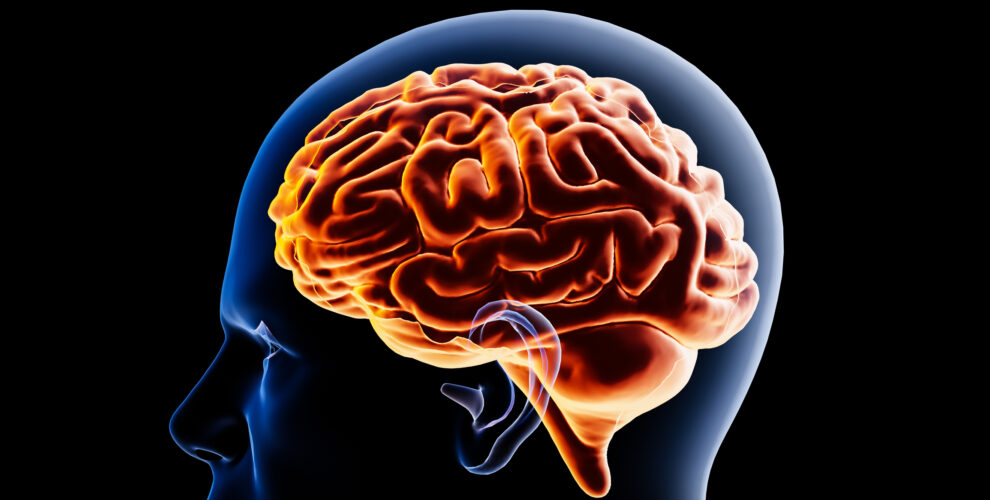
Inspired by reading The XX Brain by Dr Lisa Mosconi, I have created a little mini overview of quick wins for supporting brain health. These are suitable for everyone. However I highly recommend reading (or listening to) the book if you have an XX brain. Inspiring, motivating and rage inducing all at the same time.

Background & Research
Our brains are the most metabolically active organ in our bodies, demanding 20% of our total energy needs! It is also one of the most vulnerable to a poor diet.
A healthy, and balanced diet, can have measurable effects on brain health and function, boost energy levels, while reducing insomnia and anxiety. Food has even been discovered to have an epigenetic function, switching on or off hundreds of thousands of genes. Serious stuff.
A wide range of health outcomes research, including studies on brain health, has explored the benefits of the “Mediterranean Diet”. This diet emphasises plenty of plant based foods, olive oil, with small amounts of meat and fish. However, this is not suitable for all dietary preferences, or cultural needs. An interesting article from the British Dietetic Association looks at this issue and has links to some of the research.
In a brain imaging study those who followed a Mediterranean Diet had healthier and younger looking brains than those following a modern western diet.

A small selection of high fibre foods.
Fibre
The average UK adult is getting less than half the recommended 30g of fibre per day.
High fibre foods to help boost your meals and snacks. From dried fruit, nuts, seeds, beans, lentils, grains, wholewheat pastas, oats, muesli and even some minimally processed crisps!
Essentially, lots of fibre equals happy microbes, and this makes for a well functioning brain.
Want to track your fibre intake to see how much you are getting? Check out the Carbs & Cals app.

A selection of wholegrain foods
Wholegrain’s
Studies seem to show that as well as being great for brain health, eating wholegrains is also helpful at reducing the risk of heart disease and Type 2 Diabetes.
Some options include; wholewheat couscous, granola, long grain brown rice, short grain brown rice, buckwheat, quinoa, oats, wholewheat pastas, popcorn.
Find out more about this important topic in my blog post here.

The Stegos – a balanced chocolate treat!
Sweet Things
Source dark chocolate that is at least 70% cacao. This is rich in theobromine, a strong antioxidant to support cellular aging. Trials show consuming chocolate with a high cacao content improved attention and memory in healthy adults.
I love dark chocolate buttons and dark chocolate almonds, the perfect afternoon “pick me up”. But stick to around 4 per day! It is great being able to buy them loose from Get Loose (where I work) as I can ration myself.
Plus, as the occasional treat I have a Stegos, a whole date (fibre ✅) with a cacao nib inside, wrapped in dark chocolate with almonds (more fibre) and a little sea salt. Chocolate maker NikoB is a genius. If you don’t live near the East London stockists or markets, they can be ordered online.
Instead of refined sugar, raw honey or maple syrup are better options.
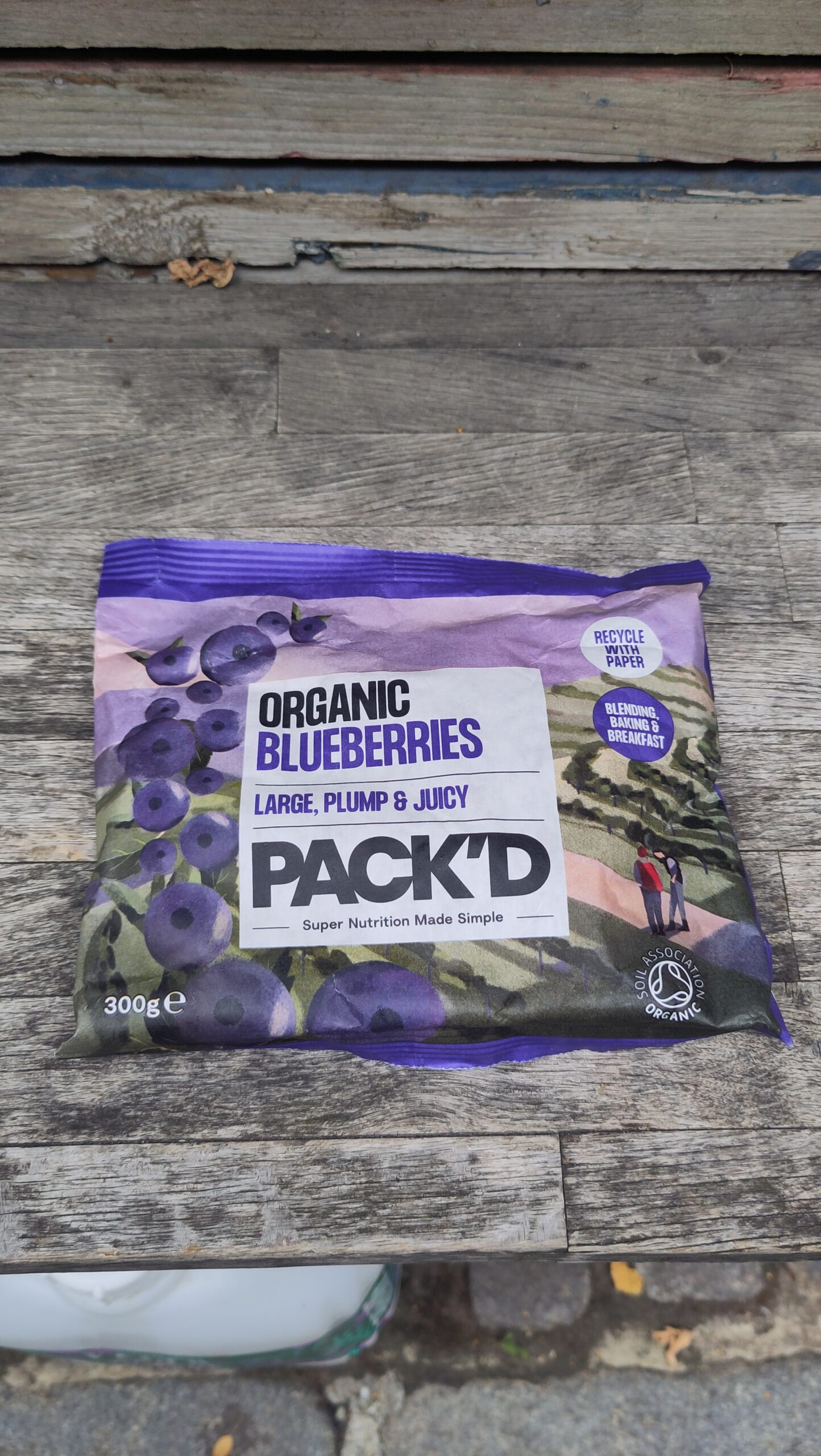
Frozen blueberries are fine when fresh are out of season.
Antioxidants
Our brains suffer the most from oxidative stress. This is the production of free radicals in our body and brain and our ability to control them. Antioxidant levels need to be higher than the free radicals to control them.
Antioxidants include; vitamins C, E, Beta Carotene, selenium, lycopene and anthocyanins. These all help maintain brain energy levels.
Products that include these are; olive oil, brazil nuts, basil, blueberries, coriander, cinnamon, cocoa, cumin, ginger, hibiscus tea, kidney beans, mustard seeds, oregano, parsley, pecans, rosemary, thyme, turmeric (herbs are all dried).
If you are trying to eat seasonally then frozen blueberries work just as well for the off season.

If you eat fish, choose a brand that reduces the environmental impact.
Omega 3
While our brains need Omega 3 and Omega 6, most western diets have too much 6 and not enough 3!
Omega 3 is anti-inflammatory, mood balancing and good for bone health.
The following items are high in omega 3; salmon, mackerel, tuna, anchovies, sardines, beans, linseeds (flaxseeds), chia, olives, olive oil, almonds, soya based products (tofu, tempeh).
In conclusion
It’s never too late to make dietary changes that will impact your brain health. Even if you follow a pretty healthy diet, there are always little tweaks that will help.
For example;
- Add seeds (especially linseeds) or nuts to your breakfast.
- Make your own snack pot; 1 fig, 1 prune, 2 apricots, 2 brazil nuts, 4 chocolate almonds.
- Swap to wholewheat pasta
- Swap to wholegrain rice
- Try a new wholegrain
- If you eat fish, have oily fish with your lunch once a week
Recipe ideas
Get Loose has lots of recipes on their website to help you be inspired. Many of the written by Mr LGD and myself.
Finally consider subscribing to local vegetable bag or box. Use the Better Food Traders Map to find one near you.
A seasonal bag can help you eat a wider variety of vegetables, find new recipes and eat more fibre! Your gut bacteria will love you.


0 Comments