
The challenge of tuna
You may be surprised to know that the most well known tuna brands in the UK are not doing their part to help world fish stocks. In some cases have gone back on promises to reform. The Greenpeace Tuna League Table for 2015 makes interesting reading for the conscious consumer. John West catch 98% of it’s tuna using destructive and unsustainable fishing methods. They promised back in 2011 that 100% of their tuna would be sustainable by 2016!
Where to get sustainable tuna
However Ethical Consumer magazine (Nov/Dec 2015) note that it’s not all bad news as Waitroise, Marks & Spencer and Sainsbury’s are all stepping up to the mark with their own brand labels. There are also independent brands Relish and Fish4Ever that are 100% sustainable. So check your tuna tin for the MSC certified logo and be sure that your lunch is not contributing to the decline in marine life.
A World Wildlife Fund report in 2015 revealed that the worlds commercial fishing stocks had declined by half since the 1970’s. Overfishing and distructive fishing practices have played a huge part in this drop.
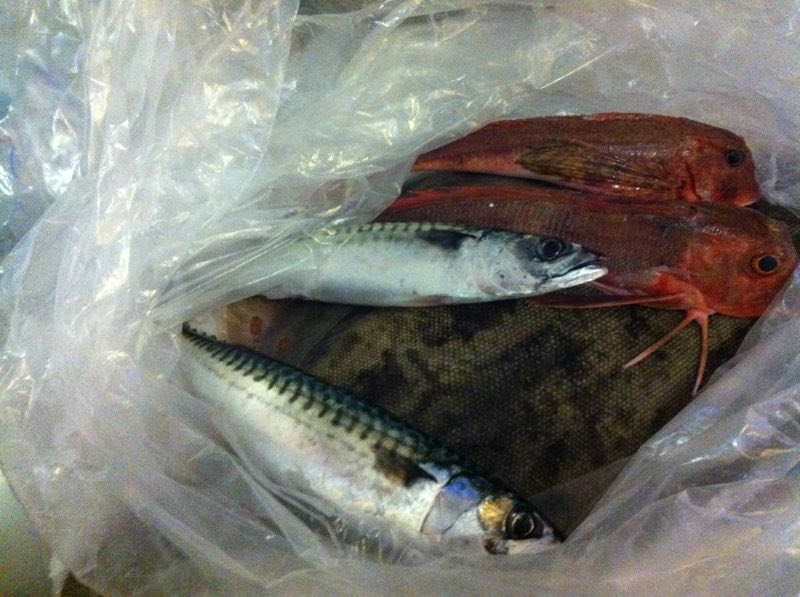
Sustainable fish we bought for Sushi making!
Sustainable fish delivered
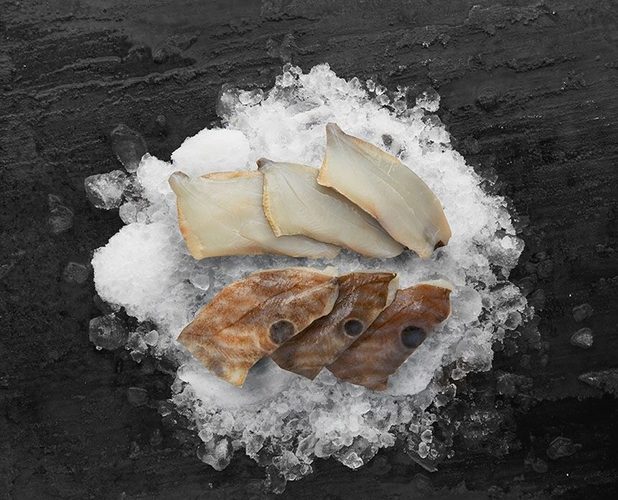
The lovely people at FarmDrop (London, Bristol & Bath) can now deliver sustainable fish to your door. They will do this in partnerships with Sole of Discretion a new ethical fishmonger. A social enterprise owned by, and benefitting the fishing community. It is createing a stable market and distribution system for a network of small-scale fishers from around the coast of the UK, starting in Plymouth.
Eating out
Finally the beacon of ethical sushi eating in London Moshi Moshi (featured in a recent blog post) are give members special offers and discounts every month. Sometimes even £2.50 sushi plaste! Becoming a member is free.
Micro-plastic Update 2019
Since writing this article in 2015 my awareness of how much plastic is in the sea has increased hugely. Back then my main concern was not eating fish that were endangered, or caught by methods that destroyed the ecosystem. I didn’t think about what the fish themselves were eating.
8 million tonnes of plastic are estimated to go into the sea every year. Over time plastic degrades via the reactions of sun, salt and wave action. These tiny particles are colonised by algae, fish think they are food, and eat them. Tiny fish are eaten by bigger fish and we eat these fish. The plastic chemicals seem to get passed up the food chain as the fish have no mechanism to remove these toxins from their bodies.
I feel we are in the middle of a giant unregulated unethical experiment on all humans who eat fish. What will the effect of long term plastic ingestion be? We don’t know. I think we will find out in 30 years. I am not hopeful it will be good news.
For this for this reason I have decided to limit my fish intake to maximum once a month. This is on top of my normal parameters for eating fish.


0 Comments