
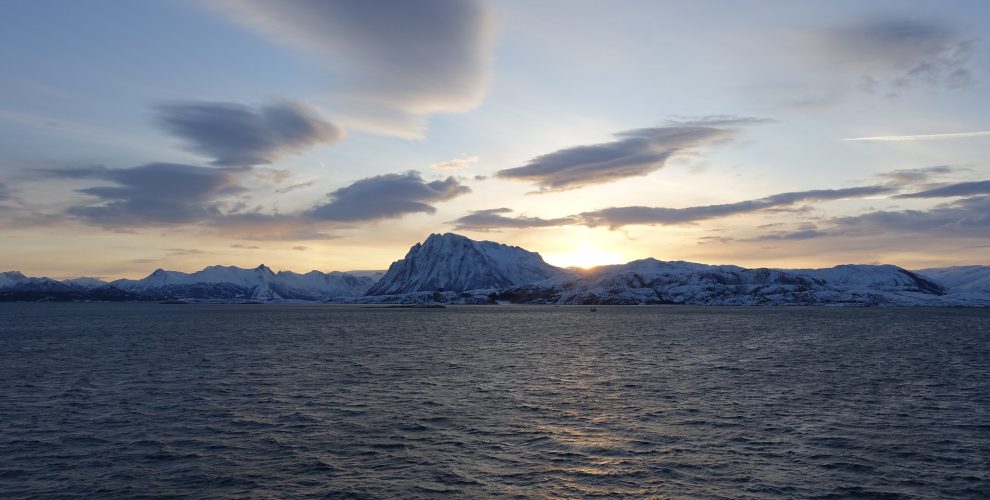
I have just returned from a seven day Norwegian slow tourism floating haven. Surprisingly ticking many sustainability boxes. The Hertigruen boat company show that even an organisation over 120 years old can embrace high ecological standards at many levels.
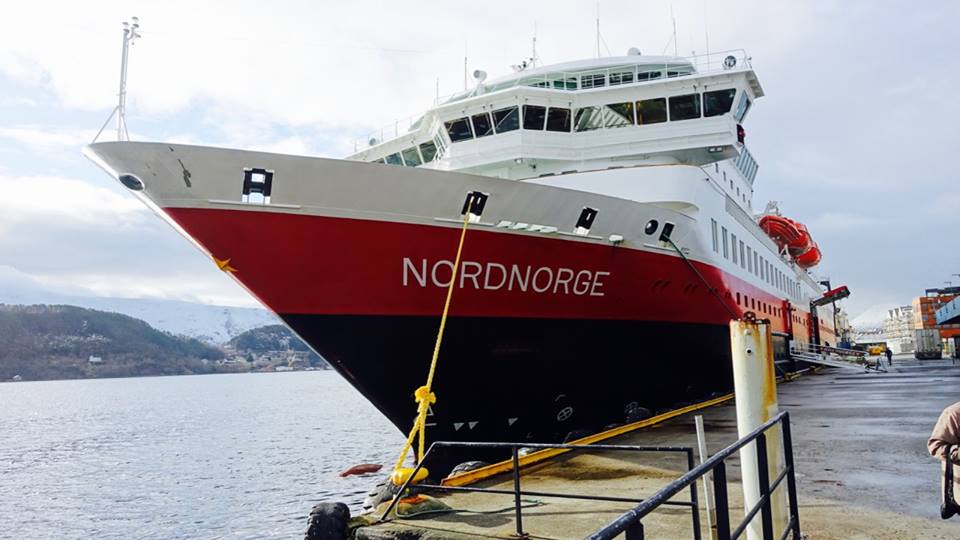
Slow tourism on the MS Nordnorge
History
The Hertigruen boats started in 1893, mainly as cargo ships on the coast of Norway. A lifeline for goods, people and mail in this remote part of Northern Europe. As tourism became more popular the ships shifted from the focus on cargo to passengers. In the summer the tourists chase photos of whales. In the winter (on our trip) we were hunting the Northern Lights. The boats all still carry a variety of cargos, and Norwegians, who hop on and off the boat at the 34 ports.
Sustainability points
The sustainability measures are varied;
- energy saving to reduce their CO2 emissions by 13,000 tonnes
- a culture in which 43% of managers are women
- 170 apprentices on the fleet
- an 80 year measurment of sea temperature along the coast, (in conjunction with the Institute of Marine Research)
- one boat even has a permanent oil spill detector to report any issues along the route.
The food was particularly impressive. Everyday the ship took on food from the area we were travelling past. 80% of the food served on board is from Norway, and they have hundreds of local suppliers. A logistical challenge, but one which results in the company contributing to the livelihoods of the communities they dock in. A menu card at dinner each night explained some key highlights, and their history or importance, in Norwegian culture.
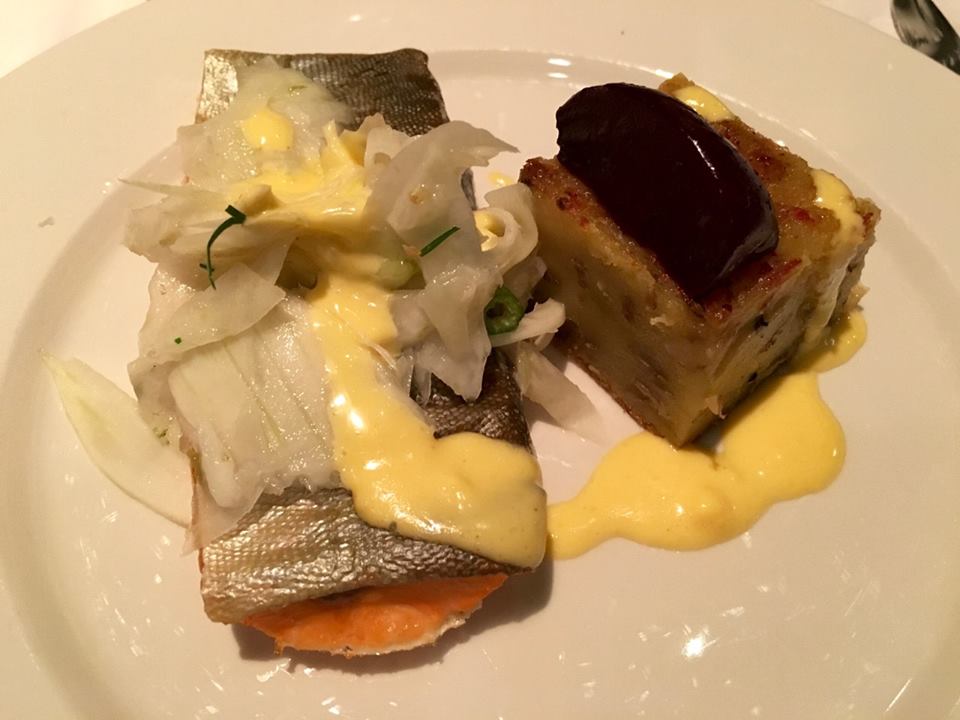
Artic char & local potatoes
Mindful travelling
Watching the stunning coastline drift past was relaxing inside and bracing on the deck. The ship was not the kind that is packed with entertainment and activities. I brought my own; audio books, podcasts, magazines, meditation, swing dance practice and of course knitting. The boat did have Wi-fi but I limited myself to 15-30 mins per day. I wanted to balance reducing the chaos on my return home, with not letting it impact on the experience.
The Expedition Team were our hosts on board for the simple activities on offer.For example; informative relevant talks, local food tastings, points of interest on deck and a pre-bed Norwegian story time, complete with lullaby. The pace was slow and relaxed, a wonderful sustainable slow tourism experience.
How will your next trip enhance the local area, or minimise your impact? Do you have a sustainable and slow tourism recommendation?


1 Comments
Georgie Williams
It’s great to see that such an old company has modernised with the times whilst still making the right choices which in turn is helping the local people, wildlife and businesses around it. Thanks for a great read!