
A bit of background
The good news is that in 2016 solar power generated more electricity than coal for the first time in the UK’s history.
In 2013 the UK was 28th (out of 81) in the world rankings of average power per capita of population. This might seem good but surely we can do better? It is estimated that by 2052 all current known oil deposits will have been consumed, that’s if we keep going at the current rate of use. There is coal and gas, but if we need more because the oil is running out then that won’t last long. New fossil fuel sites are likely to be harder to get to, and more damaging to the environment to extract. Just look at the issues around tar sands and fracking!
The UK government agreed with 51 industries in 2013 to an 11% energy efficiency increase. But they have until 2020 to do this. They also created the Renewables Obligation, fining power companies that are not sourcing the required amount of power from green sources. In 2014 20% of our electricity was generated from renewables. The target is 30% by 2020.
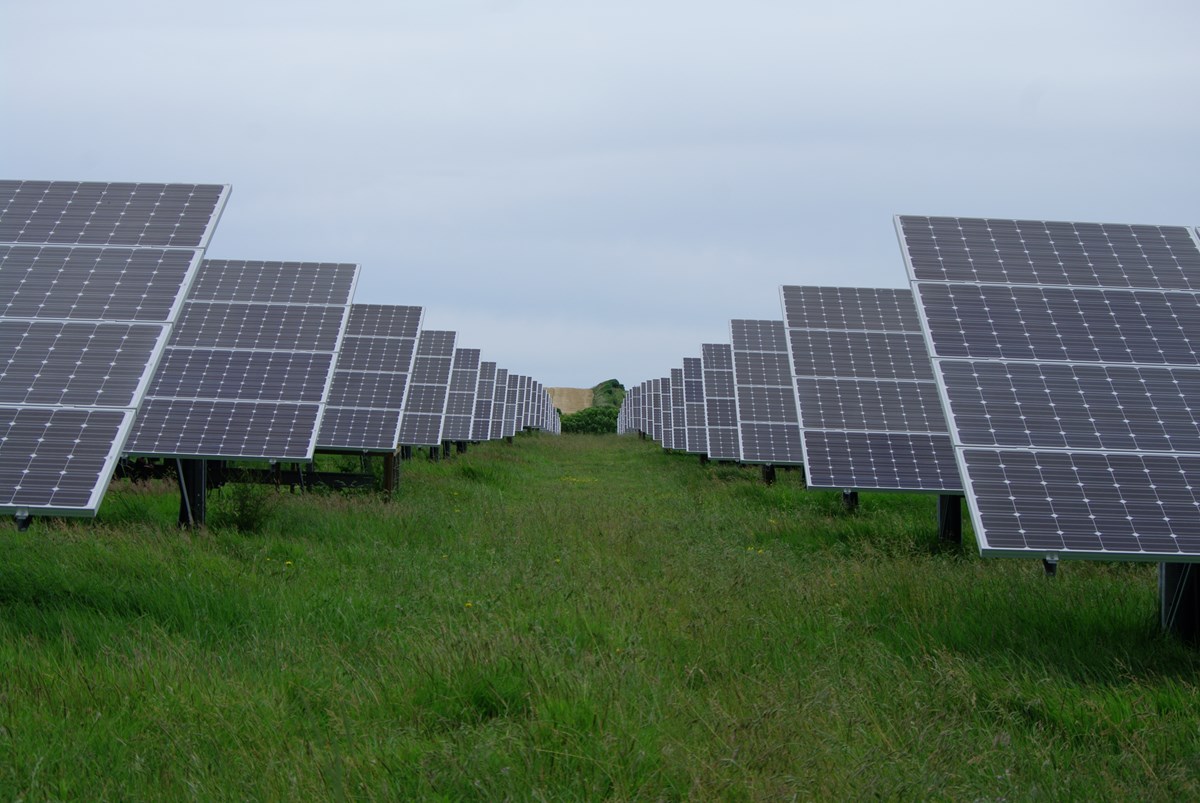
What can consumers do?
We voted with our money and switched to Good Energy. They provide 100% renewable energy to match what you use. It’s not just about buying energy from feed in tariffs they actively add and diversify the UK’s renewables mix. They invest in solar, wind and a ground breaking tidal project in Wales. Other fully green energy companies are Ecotricity and LoC02. Ovo and Green Energy use a mix of renewables and gas. However because of the Renewables Obligation most of the power companies do have a green option. It would appear this is because they have to, not because they might want to. See how your current energy company compares in the Ethical Consumer report.
Update Dec 2019; With many energy companies jumping on the “green energy” band wagon, Which consumer magazine have reported on the shades of green of the different energy companies. How does your company do?
Energy Independence
As the fully green energy companies own many of the sources of the electricity they provide, customers get more stable prices. They are not at the mercy of the world oil or gas prices. Secondly enabling the UK to have less reliance on other countries for energy means we don’t have to make political or economic decisions based on energy considerations. Other countries such as Costa Rica, Germany, Portugal and Iceland are relying less and less on fossil fuels and we can to. This little video from Good Energy explains it quite concisely.
Green electricity compared to fossil fuel tariffs
[table caption=”Green energy costs compared with fossil fuels” width=”500″ colwidth=”20|150|50″ colalign=”left|left|center|left|right”]
Energy company name,Day Tarrif,Night Tarriff,Standing Charge,Other Information
Good Energy,15.28p,8.5p,22.16p,Economy 7 London
Green Energy,17.74p,6.54p,18.90p,Economy 7 London
SSE,11.02p,6.65p,23.02p,Economy 7, fixed 1 yr, e-bills, direct debit
NPower,13.79p,7.06p,38.48p,Economy 7 Direct Debit
[/table]
See links for more details on each of these tariffs.
Good energy https://www.goodenergy.co.uk/our-tariffs
Green energy http://www.greenenergyuk.com/SimpleTariffs
SSE https://sse.co.uk/cs/Satellite?c=Page&cid=1410787220835&pagename=DXP%2FPage%2FOurPricePage
How to switch
A number of websites can take you through the process, for example USwitch or Which, do this step by step. If you know which of the green energy suppliers you want to go with you can contact them directly to sign up. If you decide Good Energy is right for you then drop me an email as we can get you money off with their refer a friend scheme!


0 Comments