

The history of shampoo
The word shampoo came in to the English language in the mid 1700’s from the Hindu word “champo”, from the original Sanskrit word “chapati” meaning to kneed or soothe.
Forms of shampoo had been used in many parts of the world long before it came to Europe. On the Indian subcontinent it was made from soap nuts, in Indonesia the ash from straw, Native Americans used a variety of local plants, South American Andean people used the liquid left from washing quinoa.
Liquid shampoo was invented in 1927 in Germany by Hans Schwarzkopf, however this still used natural soap. The first using synthetic surfactants was invented in the 1930’s.
Key chemicals & issues
These are the key chemical groups which many people, and organisations, are concerned about. It is not to say that all of them, individually and for a short time, are dangerous. I feel that when they are in many products in the home, and used for years, this is where the problems start.
Thanks to Ethical Consumer Magazine for their great in depth articles on this topic.
I choose to reduce my bodies chemical load as much as possible by not having chemicals of concern in any of the products I use. From toiletries to cleaning products. I also don’t want potentially harmful chemicals going into the water system.
Parabens
A group of chemicals widely used as anti fungal, anti microbial and preservatives in cosmetics and toiletries like shampoo. They have been linked to hormone disruption, skin irritation and immune toxicity.
The EU has banned 5 parabens and limits the use of methylparaben, propylparaben, and butylparaben.
Triclosan
Can be used as an antimicrobial in hand soaps. It’s use is restricted in toothpaste, deodorants and cosmetics.
It is classified as a pesticide, which can effect the bodies hormones, especially thyroid hormones, which regulate metabolism.
The EU classifies triclosan as irritating to the skin and eyes, and as very toxic to aquatic organisms, noting that it may cause long-term adverse effects in the aquatic environment. Widespread use of triclosan may also contribute to bacterial resistance to antimicrobial agents.
Phthalates
A group of hormone-disrupting chemicals that are most commonly used to make PVC soft and flexible but are also used as a solvent in cosmetics and in synthetic fragrances.
Several phthalates have been banned in the EU but not all. As the chemical constituents of ‘fragrance’ or ‘parfum’ do not have to be listed on labels, one way to avoid phthalates altogether is to go for fragrance-free products or those free of synthetic fragrances.
SLS and SLES
Two of the most widely used detergents, and foaming agents, in shampoos and liquid soap products are sodium lauryl sulphate (SLS) and sodium laureth sulphate (SLES). You may see products being marketed as SLS-free.
SLS is known to be irritating to the skin so it is not surprising then that it can cause scalp problems when frequently applied as part of a shampoo.
SLS is considered a “safe synthetic” by LUSH.
Other issues to consider…
- Does it contain palm oil?
- Does the company use animal testing for any of it’s products? The “Cruelty Free logo” will show that is not the case.
- Are microbeads used by the company in other products, or countries? They are now banned in shampoo in the UK.
- How far has the product travelled? Was it made in your country, or locally?
Some options
Liquid shampoo refills – find your nearest zero waste, or health food shop that has refills. Often these will be natural brands. Take your own empty bottle and fill up. This greatly reduces plastic waste as the refills come in large containers and you’re reusing a bottle that already exists.

Shampoo bars – a solid bar that usually comes wrapped in paper. You will need a tin, or dish, to keep the bar in. They can last quite a while and of course create no plastic waste. Many are made by small producers using high quality ingredients so they can be expensive compared to mainstream hair products. However, they often last a long time.
No poo – this is the practice of using the hairs natural oils to clean the hair and scalp. The hair is just washed with water. Not something I have tried personally. I understand that the challenge can be getting through the initial weeks! Check out this guide for a starting point.
My story
I was buying a natural, UK made, not tested on animals, shampoo from Faith in Nature. The bottles are recyclable in my area, but I try to reduce my recyclable waste as well as my landfill waste.
Experimenting
I tired a few independent small brands shampoo bars but couldn’t get them to work. The bars were not wasted they became body, or hand, soap and worked fine. The main issue was I couldn’t get the soap out of my hair. Patches would be lank and wet looking. I tried rinsing it out for longer, using less product, apple cider vinegar rinses, and washing my hair more often.
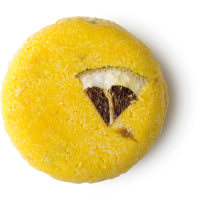
I then found that the LUSH lemon bar worked best, but still not great. Especially the back of my head would still retain the soap. I drove my hairdresser nuts for about a year.
On researching what else I could do to get these bars to work I discovered that this was a common problem. I had a number of factors against me.
- I have very thick hair.
- London has very hard water. This makes it more difficult for the soap to get out of hair.
- Our water pressure wasn’t great at the time.
My shampoo solution
Get Loose, where I work and volunteer, started stocking Faith in Nature refills. Since then I refill a bottle I already had. I now wash my hair once a week and use cornflour as a dry shampoo if needed in between. I use less water, less electricity on hair drying and it saves me time!
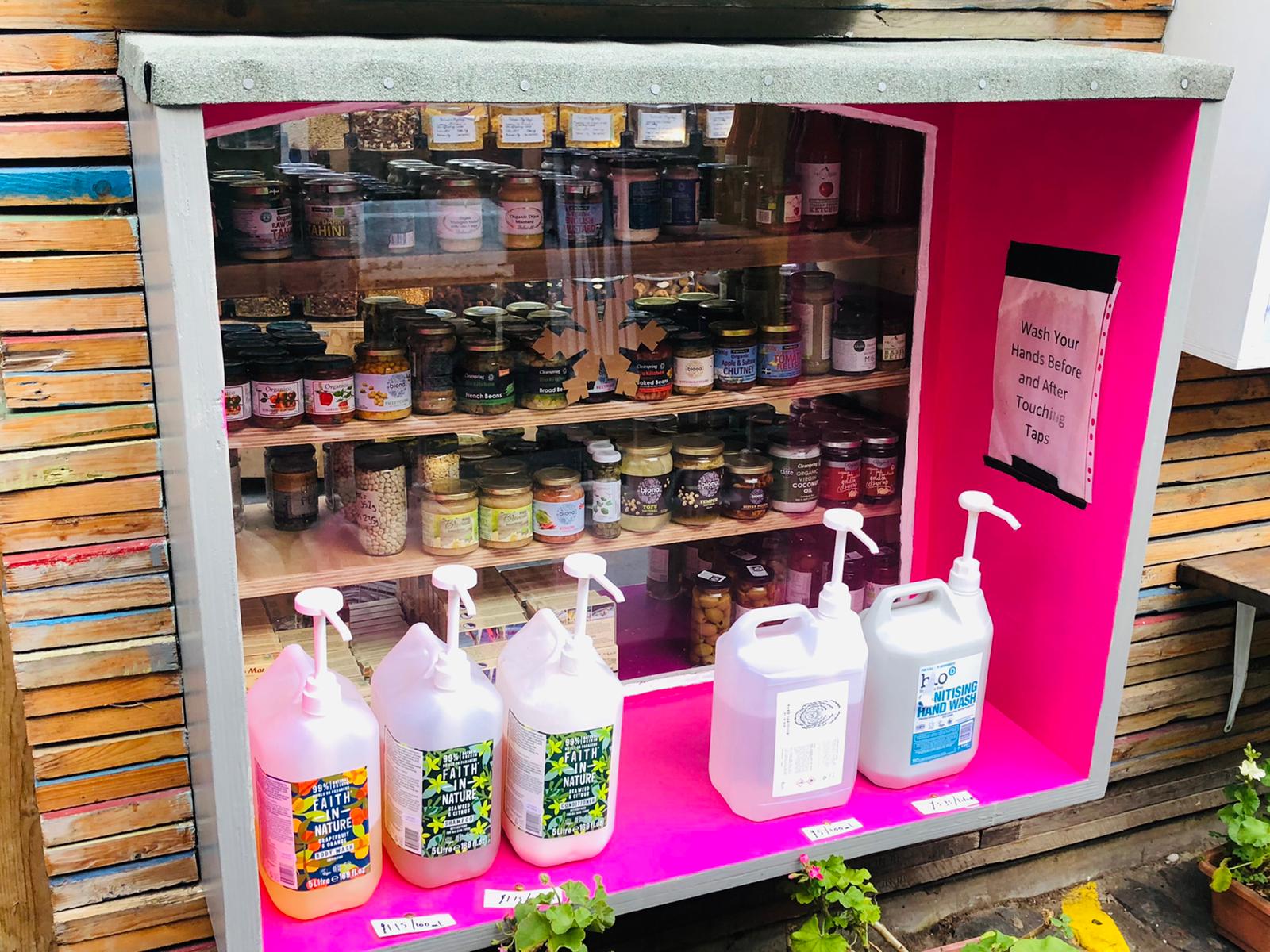
From looking at my electronic reciepts it would seem I filled up a 400ml (£4.60) bottle twice in 2020. That’s for two people.
But you don’t just want to hear about me! As with my article about period products I enlisted a few friends to share their journeys.
Marina’s experience
Note; Marina lives full time on a narrow boat. Check out her adventures on the You Tube channel Cruising Alba.
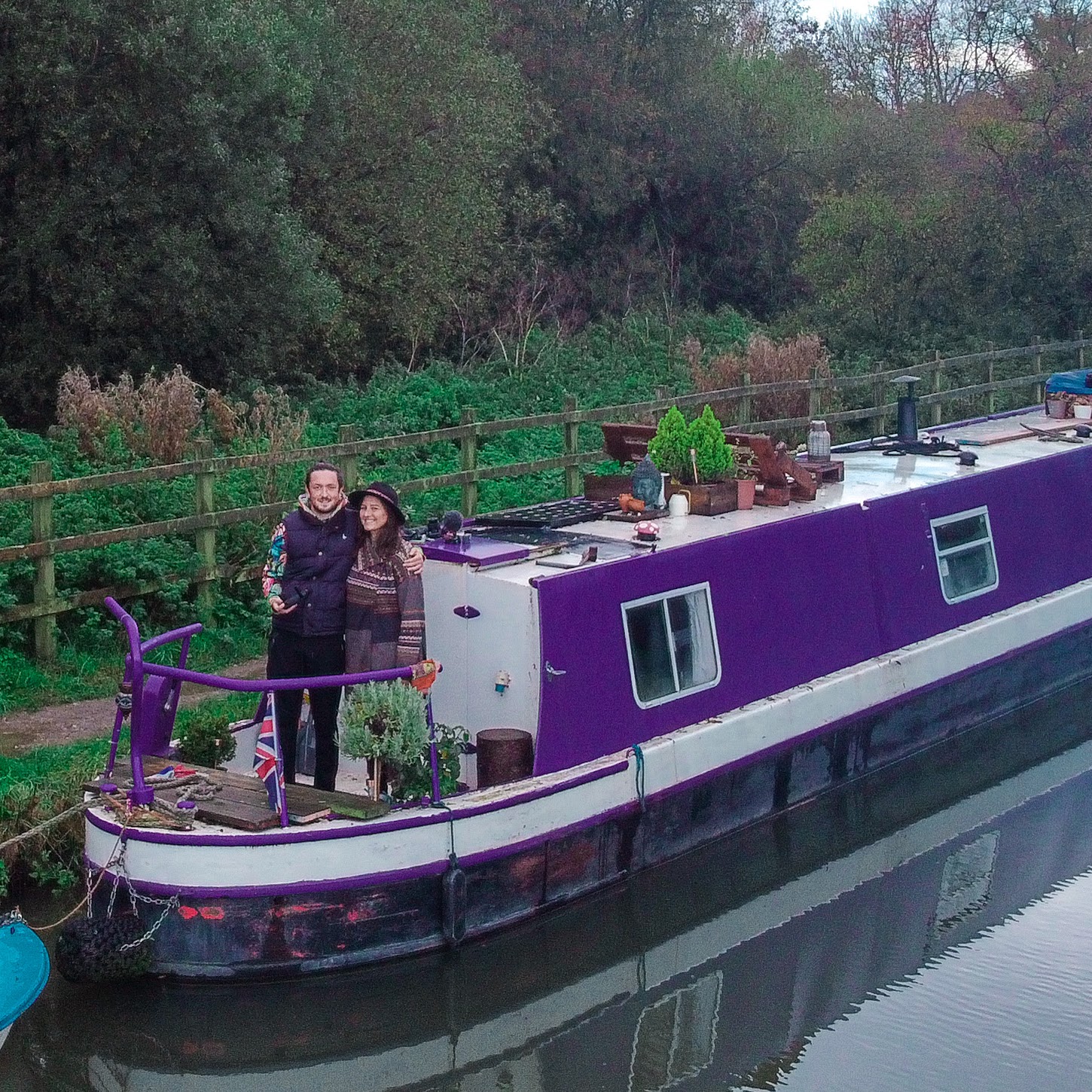
I first heard about ‘no poo method’ was when I found out what actually goes into shampoos, especially SLS chemicals. This was about 8 years ago. I attempted to follow this hair washing protocol and ditched shampoo and conditioners, but not for long.
Experimenting
I washed my hair with a weak solution of baking soda and water and rinsed it with a solution of apple cider vinegar. This was a disaster. The soda mix stripped all of the oils from my scalp and whatever it did to my hair I ended up with a terribly itchy and flaky scalp and hair feeling like a straw. I went back to regular shampooing after two or so weeks. I should probably mention that I have long thin Europian hair.
Then I shifted my focus to look for a natural shampoo and conditioner but all the brands I’ve tried dried out my scalp and I couldn’t use them for more than a week. Then I found this (finally!) and I stuck with this brand for a while, it really suited my hair. It was also within my budget.
A few years ago I started hearing about shampoo bars. Great idea I thought, but at that time I have only heard of Lush selling them and that they contain SLS. (they still do – LGD)
The solution
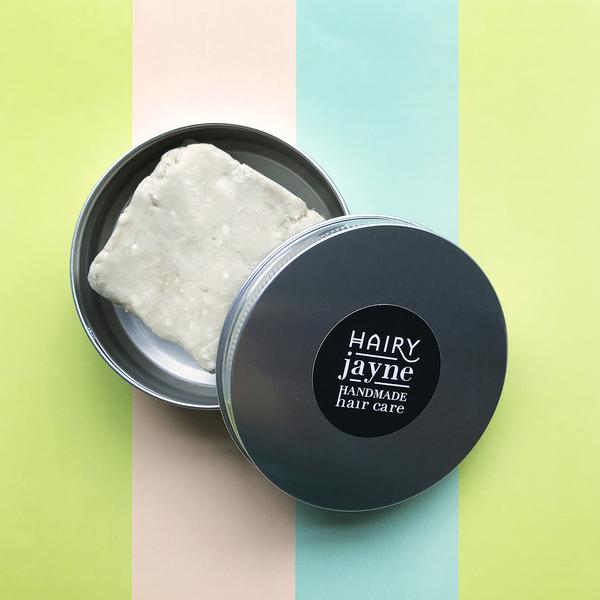
One day I was at Shambala Festival and found the Hairy Jayne stall. They were selling shampoo bars and conditioners so I bought a couple to try. I was sceptical of course, but my hair loves it! Because I live on a boat during this year I ended up without an address and I couldn’t order these shampoos, so I’ve been trying other brands too.
To keep my hair moisturised while using natural shampoos I’ve added an extra step to my hair care routine. Once a week I do a homemade overnight coconut oil hair mask adding a few drops of clove essential oil into the mix.
I definitely know that I will stick with natural shampoo bars for the foreseeable as they tick all of the boxes. The only natural product I would love to find is a deep moisturising hair mask that I could replace the coconut oil treatment I use, as it clogs the pipes on the boat and frankly, a lot of faff.
Fran’s experience
I’ve mainly been using Faith in Nature Seaweed and Citrus shampoo, I’ve tried others over the years, but always gone back to this one. I have seen places that do refills but none locally, so have just ordered the 5 litre containers.
Recently I tried a Geranium, neroli and ylang ylang Cole & co refill shampoo from a zero waste shop. It smells amazing, bit didn’t suit my hair and left it a bit oily. I may try the shower gel and body lotion instead.
I’ve tried shampoo soap bars from Grüum, and a Faith in Nature Dragon Fruit bar. I have thick wavy hair and neither seemed to wash my hair that well on there own. However using the seaweed shampoo first, then rinsing and applying the shampoo bars straight after has proven to be a good combination as they add a bit of moisture and helps with my curls.
Zoe’s Experience
Living on a boat has highlighted how beneficial using natural hair products is for the environment. I’m very aware that the shampoo I use goes directly into the canals where the swans and ducks swim, and I don’t want to make them sick!
Having long and colour treated hair, I did struggle to find a shampoo and conditioner that would leave my hair feeling clean and tangle free.
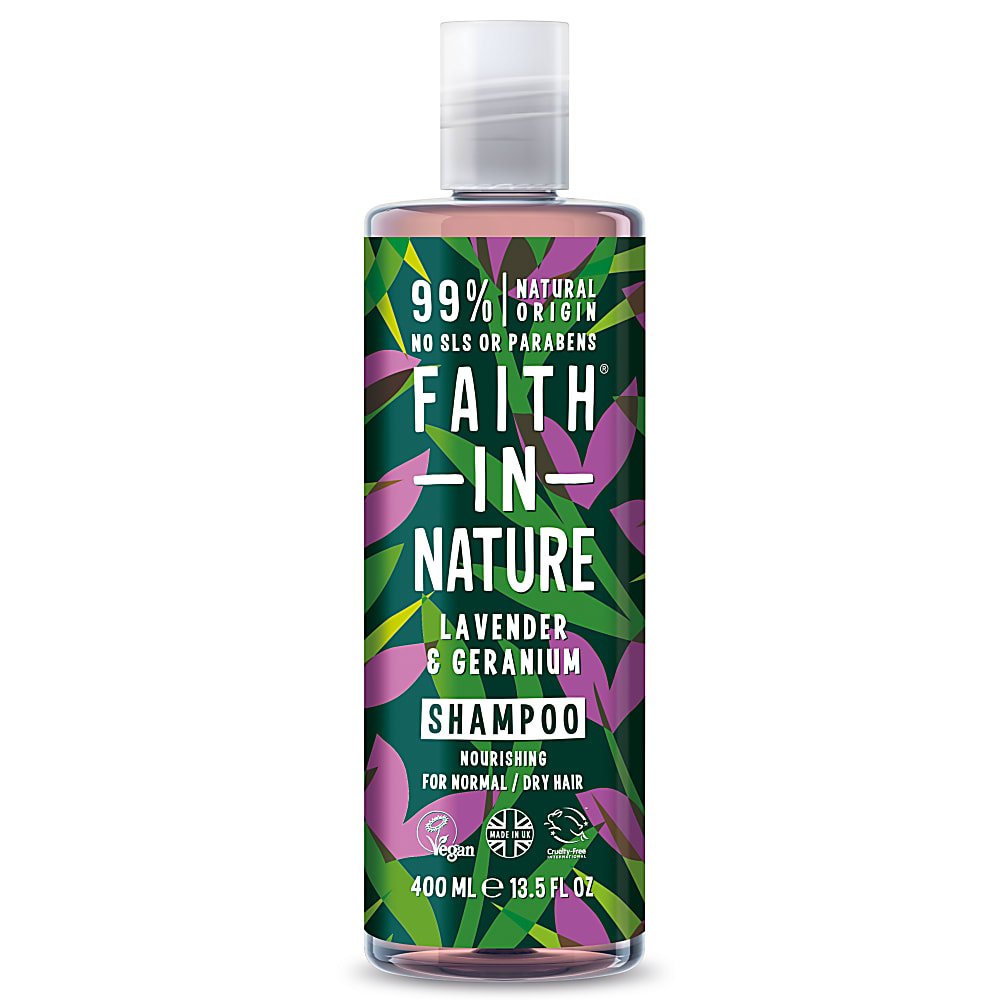
My favourite is Faith in Nature, Lavender and Geranium. This is now stocked in main supermarkets. I also use Faith in Nature’s Cocoanut conditioner which smells yummy.
I loved the idea of the Lush shampoo bar, as it’s so compact, looked great for travelling and didn’t use any plastic. Unfortunately I never really felt that my hair was clean when using it. It felt greasy and tangled.
Nic & Vic’s Experience
My partner and I decided to give up shampoo at the start of the first lockdown. We have been considering it for a while as we have been uncomfortable with our shampoo use. We didn’t feel all of the nasty chemicals were very natural, or good for our hair. It also has the added benefit of not using air miles, or plastic, that damage the environment to get to us.
Lockdown trial
Lockdown seemed a perfect time as we knew we wouldn’t have to see anyone! The no poo method involves just washing your hair with water however often you like. Our hair was greasy for 4-6 weeks and then it started to get less and less. It doesn’t make your hair feel as clean as using shampoo and we can’t last quite so long between washes but it does feel healthier and it has made us reassess what feels clean is probably more likely to be stripping natural oils from the hair and applying product.
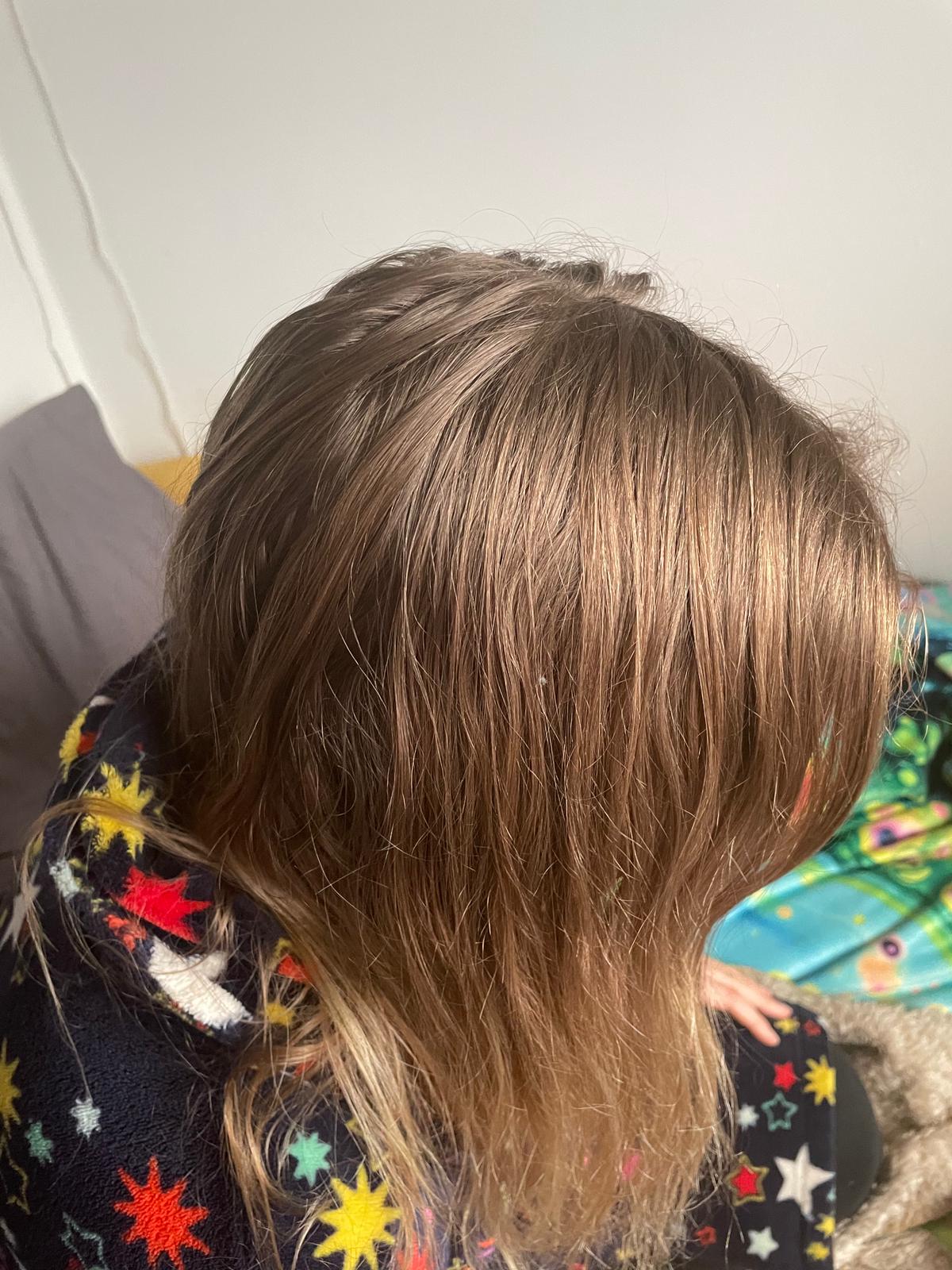
Nic’s no poo hair
Vic also had very bad flaky and itchy scalp from the chemicals in the shampoo. Using medicated shampoo burns a layer of the scalp off to stop this. Going no poo completely got rid of this in a matter of weeks.
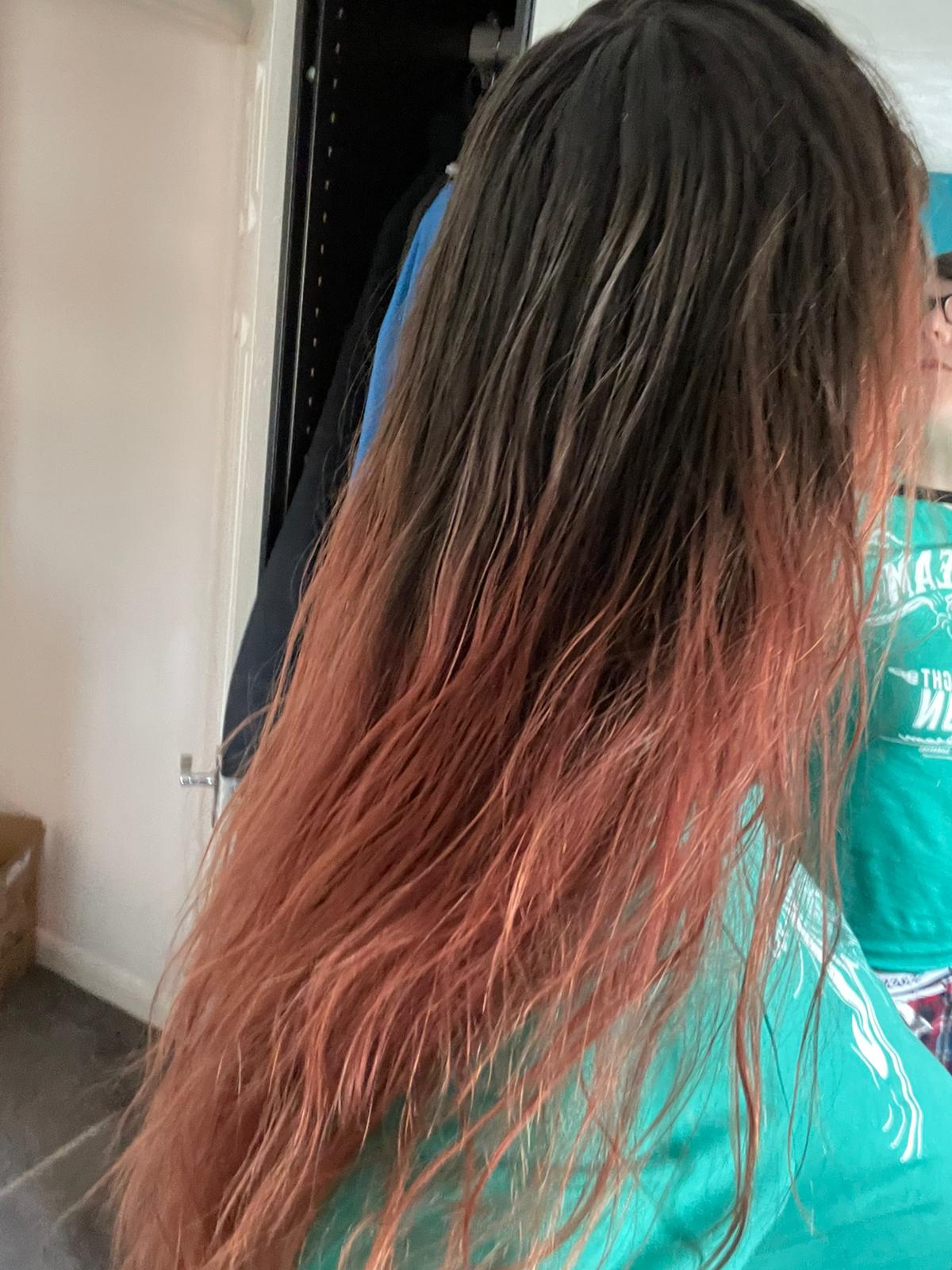
Vic’s no poo hair
I (Nic) find my hair comes up cleaner if I rinse it everyday, or before I want to wear my hair down, and better if I use a powerful shower.
The another benefit is that showers don’t take long at all anymore! We would both never go back to using shampoo.
Over to you…
What have you tried?
What works for your hair?


0 Comments