
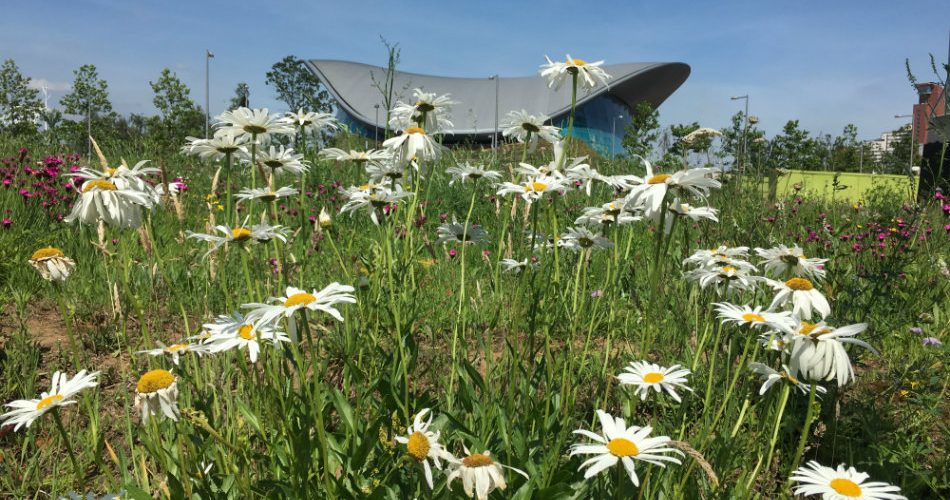
Why are we doing this?
Chris (Mr Little Green Duckie) has always loved cooking. His Mum gave him a tea service and a pancake making set before he even started school. Deciding not to become a chef, when he discovered the long and unsocial hours they work. He channeled his passion into becoming a dietitian specialising in diabetes.
With the rise of informal supper clubs at people’s homes in London (and many other cities) we decided to give it a go.
The aim was to open up discussion with the diners on a certain food issue, or topic, in a fun and engaging way.
We chose to dedicate any profit from the event to a food charity.
Our chosen charity
Sustain: the alliance for better food and farming
Advocate food and agriculture policies and practices that enhance the health and welfare of people and animals, improve the working and living environment, promote equity and enrich society and culture.
The main way that Sustain fulfils its aims is through running a multitude of different projects and campaigns to improve food and farming, with the help of their members and other supporters.
London Food Link
The umbrella for all of Sustain’s initiatives in London. Their work includes helping to influence local government policy, hands-on food growing training, running sessions for public sector caterers, creating guidance for independent eateries. Many projects focused on London.
At the time of the supper club they had a live crowd funder, with the overall aim to bring their work into the 21st Century.
Why local food?
The theme of the supper club came partly from discovering Hodmedod’s British grown beans, pulses and quinoa. Partly from Chris developing an interest in foraged food. And partly from discussions around the amount of food being shipped into the UK from other countries, out of season, when we can grow so much here.
We wanted to showcase this British, seasonal, and in many cases London, produce.
Pre-Drink
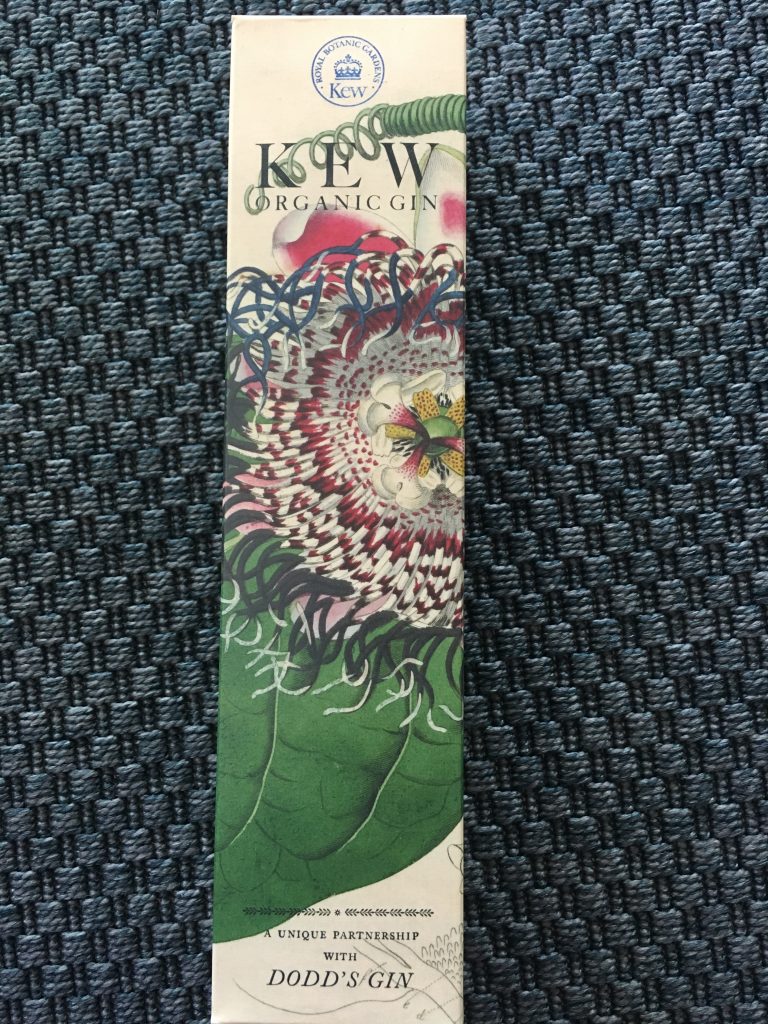
Kew Organic Gin & Bermondsy Tonic
Created by Dodd’s Gin (London Distillery, Battersea) in partnership with Kew gardens using seasonal flora from Kew itself. Also citrus, spice (nutmeg, liquorice, cassia), savoury (rosemary & lemon grass), florals (orris root & lavender flower).
A natural Victorian recipe and made in Bermondsy. The key difference is that Quinine is extracted straight from South American Cinchona bark using heat & water. In contrast other tonic makers use extracts. The bark is bleached, leaving the characteristic clear mixer people have become used to.
The BTW process of soaking the bark in small batches to extract the Quinine may take a little longer but it’s well worth the wait. Not only does it avoid all those unnatural nasties but also produces a well balanced, clean & crisp flavour. BTW has no other botanicals added; this prevents your palette becoming confused.
Starter
Pickled pink eggs with English quinoa & wild pesto
Drink: London Mead or Apple & Elderflower Juice
Pickling eggs is a good way to save eggs that you are not to be able to use before they go off. The colour is from beetroot, other colours can be created; eg red cabbage (blue) or turmeric (yellow). Fermenting is another way of preserving things as it locks in nutrients and enables them to be kept longer.

Pullet Eggs are eggs from hens under 1 year old, these eggs are considered too small to sell and are normally turned into liquid egg products, or wasted with no market. They have brightly coloured yolks and a unique richness that eggs from an older hen simply don’t have.
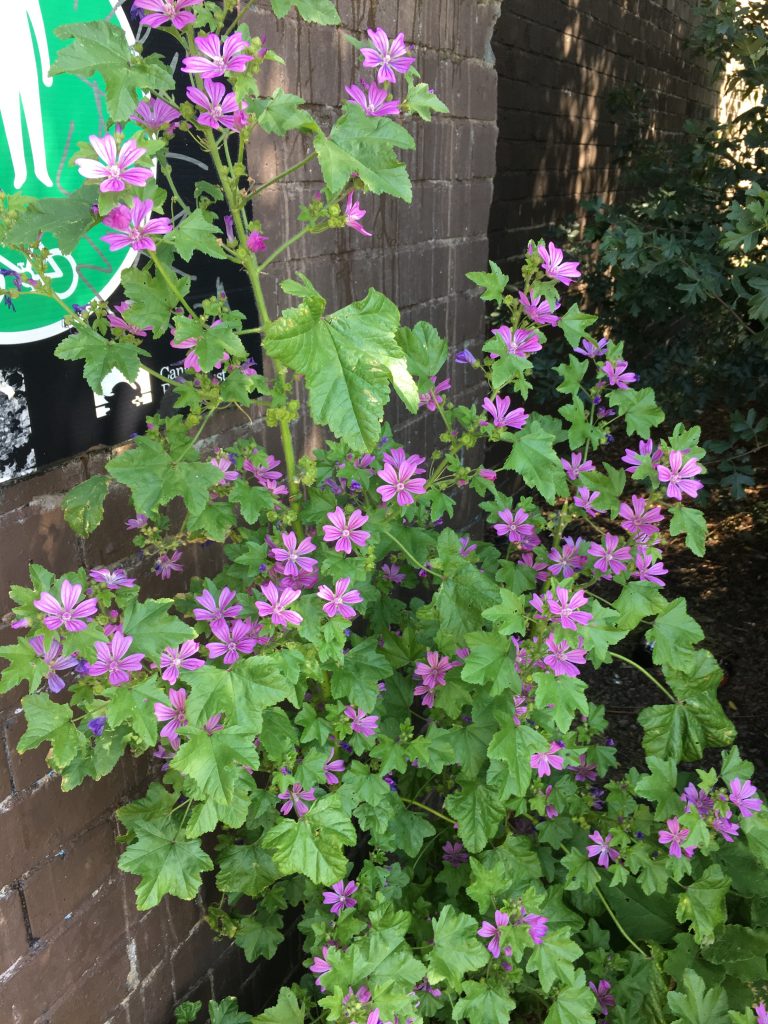
Hyper local food, foraged Sorrel pesto and Mallow flowers. From “Here East” area of the Queen Elizabeth Olympic Park.
Micro greens from Growing Underground, Clapham. Using London’s disused tunnels to grow food using hydroponics, no pesticides (controlled environment), LED lighting, renewable energy, and 70% less water.
English quinoa from Hodmedods. Grown in Suffolk. They work with British farmers to source pulses and beans from the UK rather than overseas. Reducing the carbon footprint of these important staples.
They employ traditional brewing methods and blend carefully sourced citrus blossom honey with water to create a new style of mead that is very different from typical meads. At 5.5% ABV, Gosnells is both drier and lower in alcohol than most other meads, and makes for lighter, more refreshing drinking. Traditional base of mead, using just honey and water – no addition of hops, apples or grapes – to make a product that celebrates the simplicity of the drink, and the sweet, floral notes of the honey. Fermented for 10 days, we then hand-bottled, pasteurize and label on-site in Peckham.
Main Course
Slow cooked breast of new season English lamb with anchovy & caper salsa new potatoes & seasonal vegetables
Drinks; Rose Wine or ChariTea Red
Breast of lamb is a seasonal and underused cut. It is cheap and readily available, however you may need to ask your butcher ahead of visiting to ensure they can have in ready for you. It needs to be slow cooked to render the fat.
If you eat meat then eating underused cuts is a great way to save money, help reduce waste and also discover tasty new recipes.
We slow cooked the breast for 3 hours then refrigerated overnight, and fried off just prior to serving.
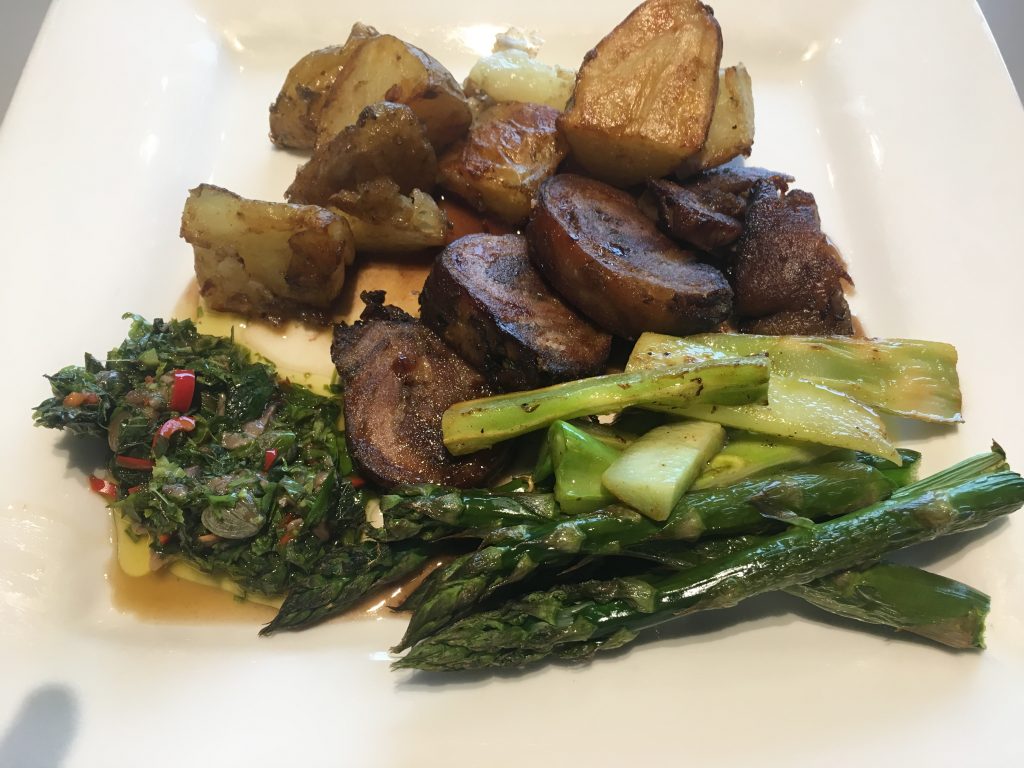
Rosemary and shallots from our balcony garden.
Anchovies (MSC certified).
Potatoes are organic from Cornwall.
Dessert
East London nettle cake with seasonal berries
Drinks; English sparking wine or wild elderflower bubbly
This vibrant naturally green cake was a real hit. Nettles are high in vitamins A, C and K and also contain many B vitamins. We foraged them from Wick Wood, Hackney Marshes. The young leaves were blanched to remove the sting then blended and added to the cake mix before baking.

More Pullet eggs. We normally get our eggs loose and bring our own egg boxes but with these the boxes are unbleached / coloured so I can put on the compost.
Berries – English raspberries, macerated vanilla English Strawberries. Some raspberries from a wild bush near “Here East” area of the Olympic Park.


0 Comments