
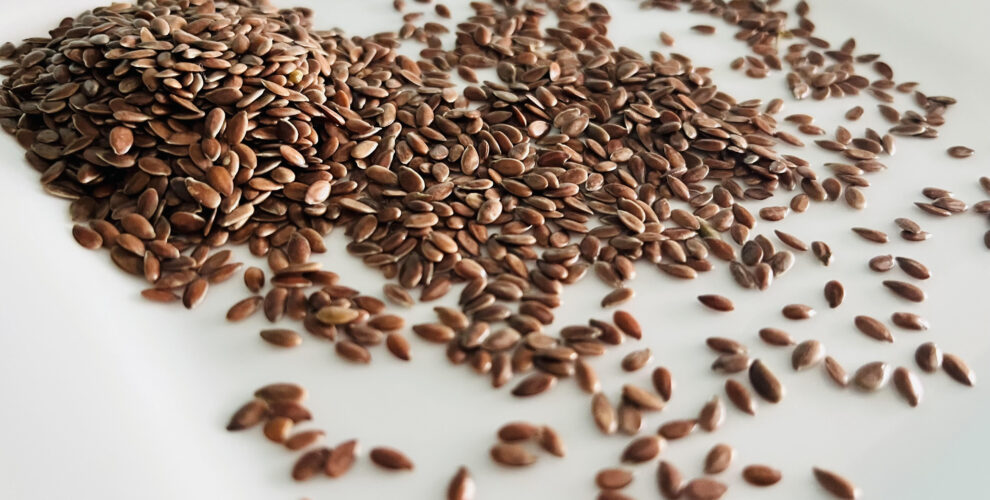
To note;
- In some countries linseeds are called flaxseeds.
- To enable ease of digestion linseeds need to be ground or soaked (15 mins+) prior to consumption.
- If starting, or increasing, your linseed intake, always increase your fluid intake to compensate for the increased fibre.
What are Linseeds?
The seeds of the Common Flax plant. These can be brown or yellow. The same plant is used to make linen fabric.

What are the main nutrients in Linseeds?
- Fibre – beneficial to your gut microbes and digestive health.
- ALA (Alpha-Linoleic-Acid) – plant based version of omega 3. This has been linked to helping reduce blood pressure and cholesterol.
- Good source of magnesium and manganese.
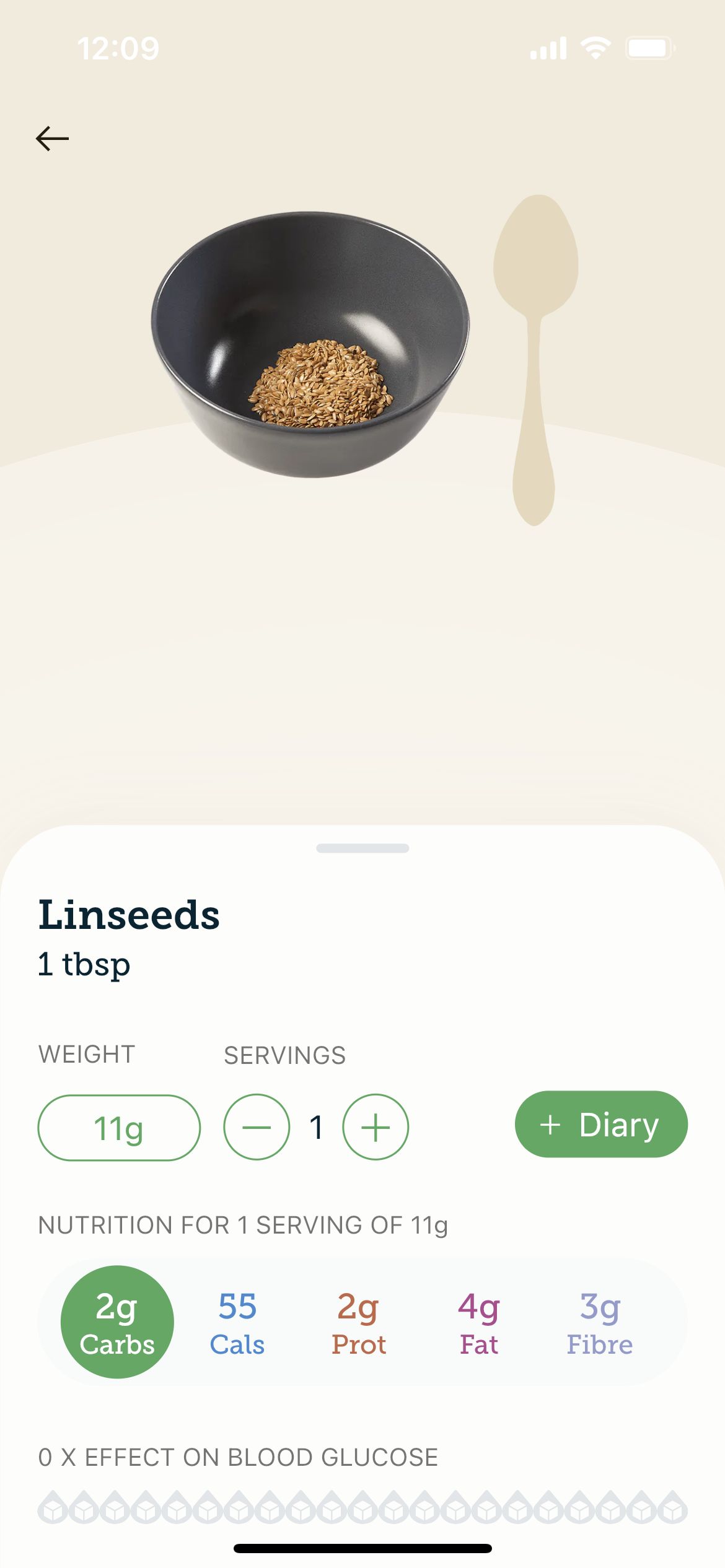
How much do I have?
Studies (so far) have found the best results with 2-5 tablespoons of ground linseeds per day. The amount I have depends on where I am in my seed cycling. See more on this below.
What to eat them in?
As this is a seed it is beneficial to eat regularly, I include it most days. The main way I consume linseeds is in my porridge / overnight oats, as this is my usual breakfast.
Other ideas for adding them regularly include;
- Smoothies
- Salads
- Baking – muffins / cakes / bread / banana chia loaf
- Soups
- Vegan egg substitute
- Yogurt
- Crackers
Links with perimenopause and menopause
I became interested in linseeds when I discovered they were part of “Seed Cycling”. As someone on the roller coaster journey of peri menopause, anything that would help balancing hormones seemed a great idea.
My research informed me that the lignans (phytoestrogens) in linseeds are converted by the gut bacteria into enterodiol and enterolactone. This has led to people extrapolating a link to alleviating some of the menopause symptoms. However, there is limited good quality research that has been carried out in this area. Secondly, the amount of hormones generated (in normal levels of consumption) is very low.
Some people, find that including linseeds in a “Seed Cycling” programme can be beneficial for hormone balancing, this is currently anecdotal. It can take three months for the effects to be felt. Nevertheless, even if it doesn’t work for you, your fibre intake, and range of nutrients consumed, will have increased!
For more information on seed cycling in menstruating, peri and menopausal people born female see link; https://www.mariongluckclinic.com/blog/seed-cycling.html



0 Comments