
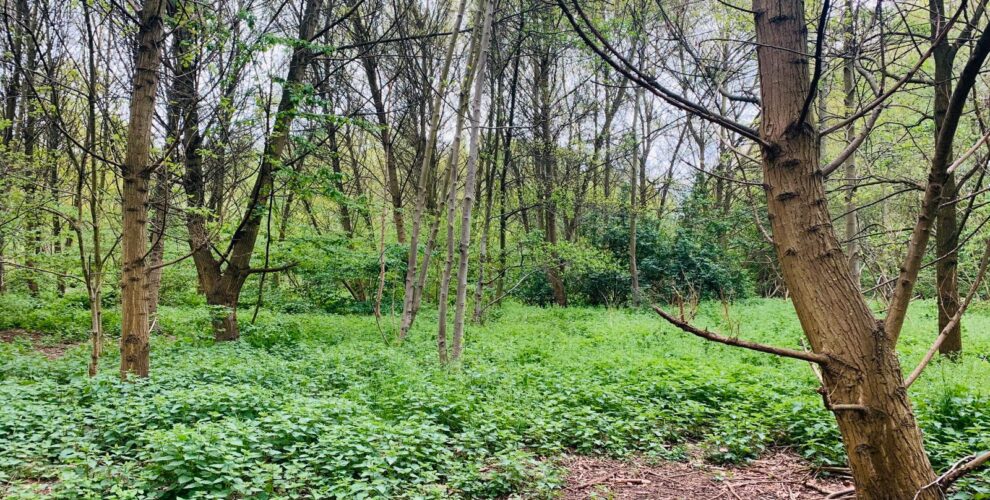
Mr Little Green Duckie writes a guest post about foraging, his recent new found passion. Exploring our local area with a new found appreciation and greater sense of mindfulness.
Why forage?
Walking in my local area has been key in preserving my sanity, and keeping my weight in check, over the last year of ever changing tiers and lockdowns. Almost a year into the pandemic I’ve noticed just how much more attention I’m paying to my surroundings, and how I’m noticing the variety of trees and plants on my daily walks. What has led to this?
In recent years I’ve dabbled in foraging, mainly for blackberries, nettles, rosehips and edible flowers such as mallow. I even did a supper club back in 2017 which featured some foraged foods.

Supper Club starter; Pullet egg on a bed of British quinoa with mallow flower and wild pesto
I’m fascinated by the abundance of wild food we have all around us. Yet equally fascinated by how the majority of us pass by this wild larder each day without realising it. As a dietitian I’m aware that knowledge of our local ‘free’ and wild foods has largely disappeared. Nutrition science concentrates mainly on commercially grown and produced foods. While our wild foods are often seen as mysterious and dangerous. There is little discussion about their nutritional, and medicinal benefits, in mainstream scientific publications.
Late last year my interest in foraging was sparked again. The idea of making my own sloe gin, and rosehip cordial, helped to give local walks an additional purpose. This created more mindfulness in the attention I gave to my surroundings.
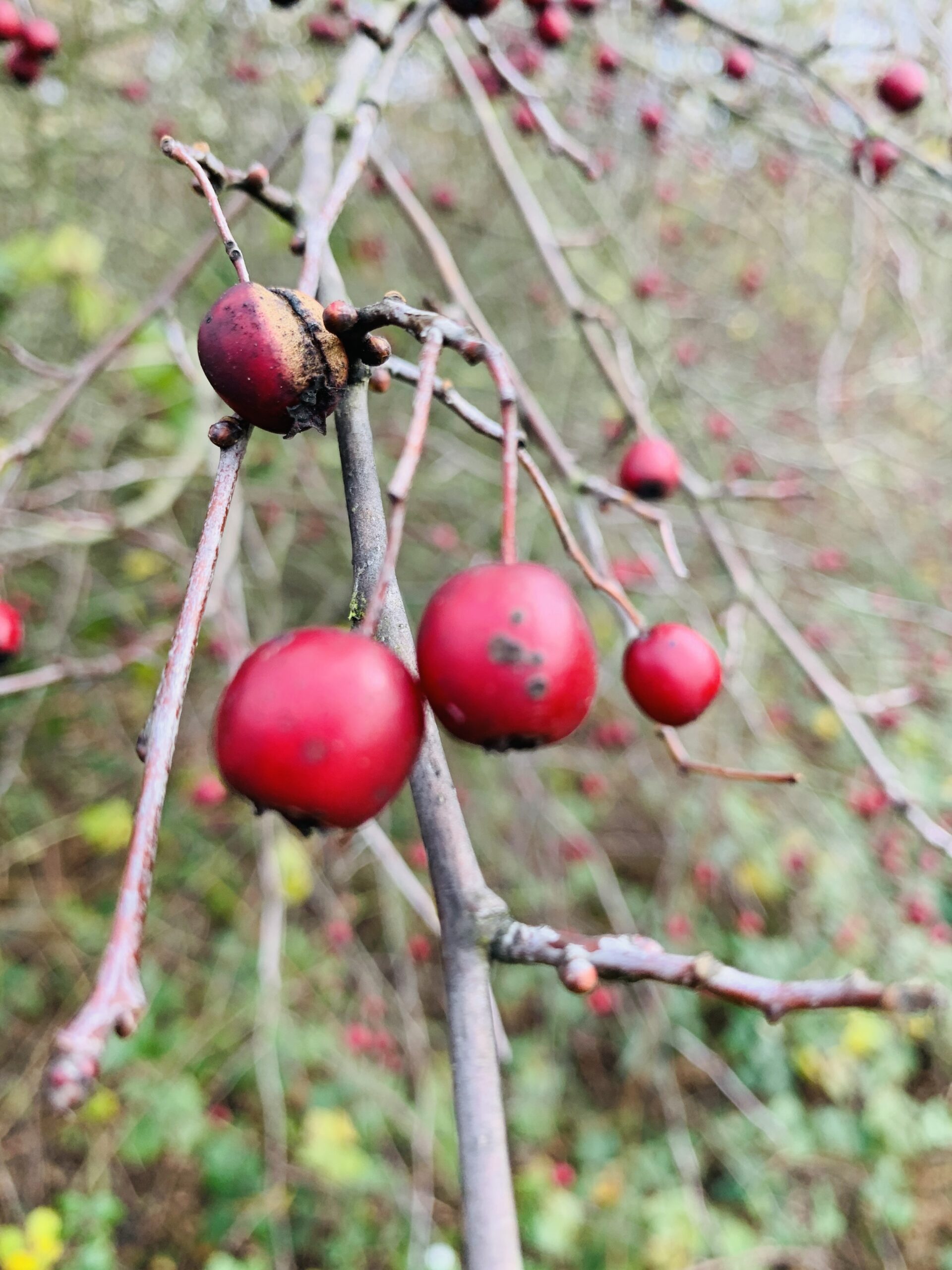
Rosehips – Belhaus Country Park
How I built my confidence
Early this year I did an online foraging walk with Forage London. It may sound odd to do a “walk” from the comfort of your sofa but this was a great way to build my confidence. It also helped with identification of some key winter plants. At only £8, it was a total bargain. Jon has a wonderful laid back and friendly approach to his teaching.
It could be easy to get overwhelmed by where to start with foraging. I’d recommend starting with a couple of plants that you can easily identify and carry no risk of poisonous lookalikes.
Armed with my new knowledge and enthusiasm I started to see a whole new world open up on my daily walks into the Queen Elizabeth Olympic Park (East London) and around the Hackney Marsh area. Where once I had seen generic trees and plants. I now saw an abundance of yarrow, crispy wild lettuce, dandelion, golden yellow gorse flowers, alaxanders and a carpeted floor of wood avans.
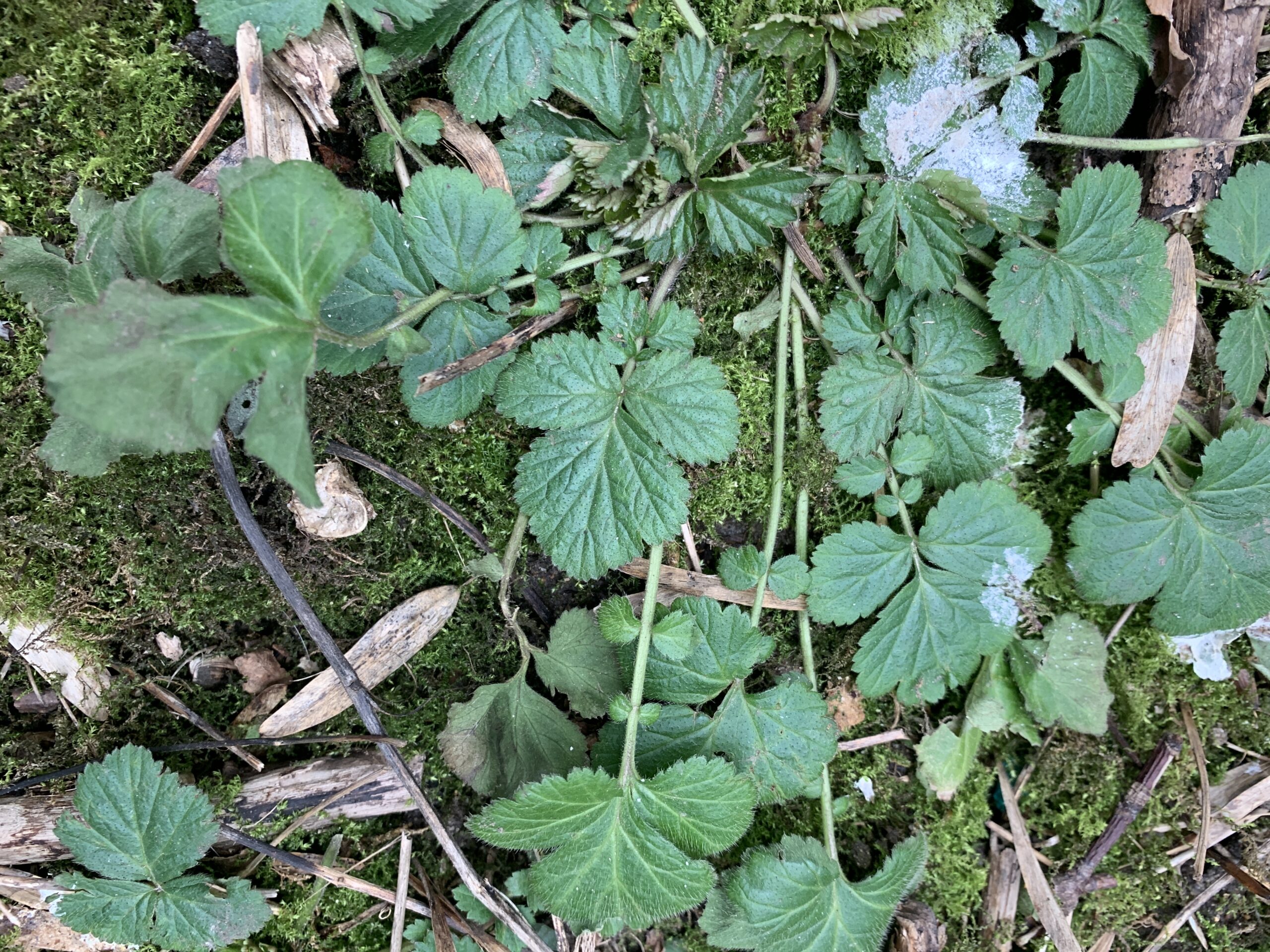
Wood Avans – Wick Woods
I started picking samples to take home so I could check plant ID and be 100% sure. Before deciding to go back to the spot, and pick just what I required to cook with. For recipe inspiration Eat Weeds has been super helpful. There are a number of active groups on Facebook that also have recipes, help with plant ID, and advice eg; UK Wild Food Larder and Foraging Wild UK.
Same walk different view
I’m writing this at the start of Spring, having just been for a lunchtime walk. It’s a beautiful crisp spring day. In the QEOP I passed by Mimosa trees dripping in golden yellow flowers, they have a candy floss like appearance. I never knew until recently these flowers are edible, and I’m excited to be researching ideas for how to use them this coming weekend.

Mimosa Tree – Queen Elizabeth Olympic Park (QEOP)
At Hackney Marshes I was blown away by the bright white wall of flowers from wild cherry plum trees. I must have passed that point many times over the years, but only now do I stop and take in the beauty of the tree and the bounty that it promises. I notice violets popping up and purple crocuses (not edible). As I sit sipping my coffee in the park I have an enormous sense of gratitude for what I have all around me.
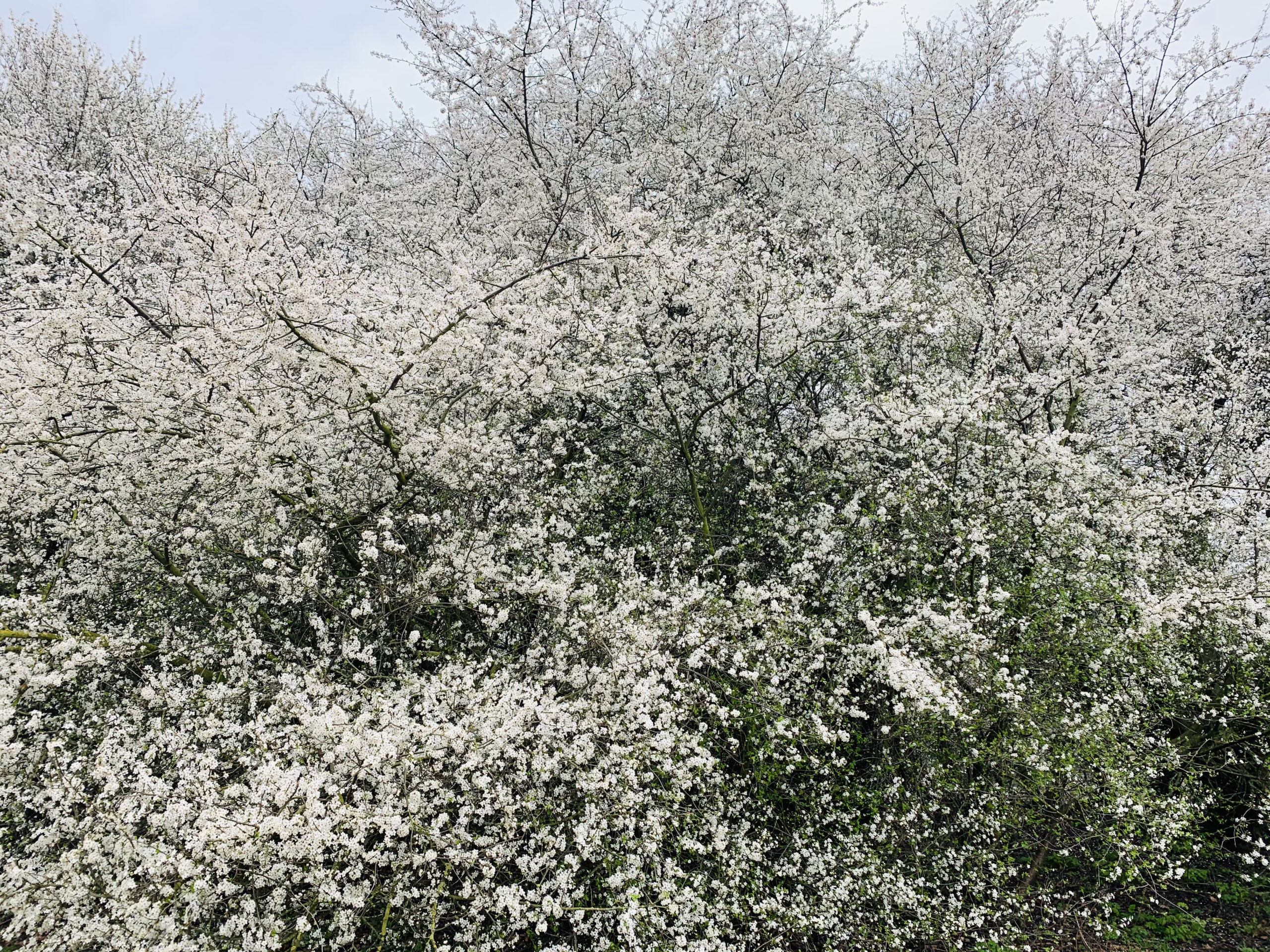
Cherry Plum Blossom – Hackney Marshes
In foraging I’ve found a hobby and a passion that makes me excited about the world. It increases my mindfulness, connects me to nature, and historical food roots. Drives creativity in the kitchen and increases the diversity and nutritional intake of my diet. Best of all, it’s totally free!
When we stop, and notice, and view the world through a different lens, we really can be living in wonderland.
Important note:
- Forage safely, never eat anything if you aren’t 100% sure of the identity and edibility.
- Be aware of foraging laws, some areas are out of bounds, some plants are protected and must not be picked for culinary use
- You need the landowners permission to dig up any plant.


0 Comments