

This summer my wellies certainly got a lot less use than normal. As a big festival fan they normally get some heavy usage in mud, rain and keeping my feet warm in the evenings!
However, I did get to one small festival, in the very small window where this was possible in 2020. Also Festival was the largest legal gathering over the August 2020 bank holiday weekend. It was an intimate gathering that took its social distancing obligations seriously.
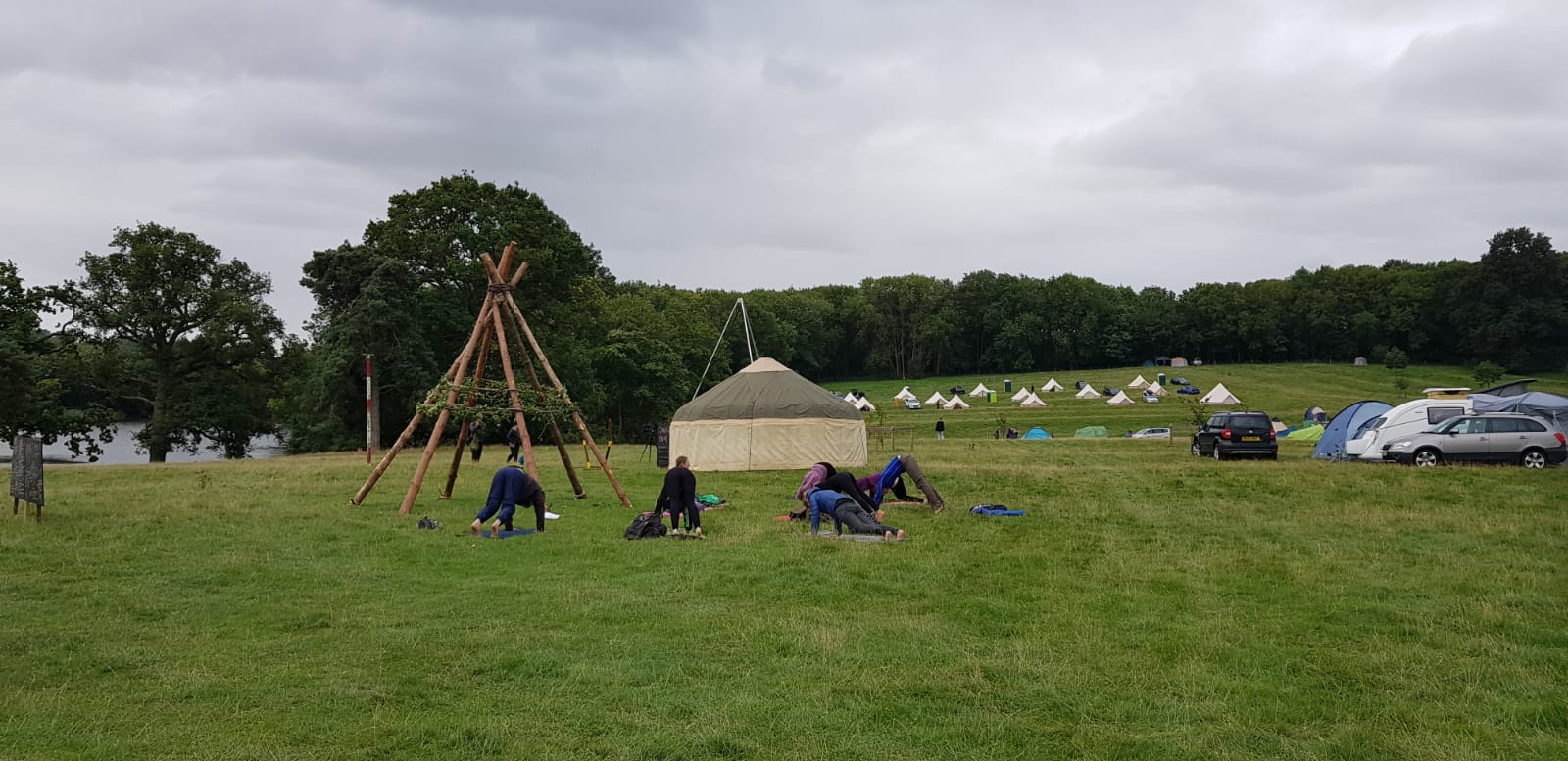
Socially distanced yoga (foreground) and glamping (on the hill).
As the conversation turned to wellies (as it does at a wet festival) I realised that it was time for a wellie blog.
Now, a few months on, with the UK in its second lockdown, wellies are needed again. Getting out for regular walks is important to me. I want my feet to be warm, and dry.
Note; for those who did not grow up in the UK. I am talking about the Wellington Boot also called; Gum Boots, Rubber Boots or Galoshes.
Wellie history
The Wellington Boot is named after the Duke of Wellington. He instructed his boot maker to adapt the popular boot of the day to enable it to be a riding boot, but smart enough to wear as informal evening wear.

This caught on with the patriotic British public who wanted to copy their war hero.
World War 1, and the flooded trenches, meant the British Army ordered almost 1.2 million pairs. The wet conditions in the Netherlands during World War 2 increased production even further. They then became popular with agricultural workers, and other industries, for keeping workers feet dry and safe.
The modern love affair we Brits have with them can be traced back to Lady Diana Spencer. She wore a green pair of Hunter wellies at Balmoral for Country Life magazine in 1985.
Of course the 21st Century UK trend of music festivals, with our notorious unpredictable weather, has created a dizzying range of colours and styles.
What are wellies made of?
They were originally made of leather, but not long after they became popular the process of vulcanising rubber was invented. This allowed rubber to be stable in different ambient temperatures. Nowadays they are also made from plastic.

How to keep wellies so they last longer
Store your boots out of direct sunlight and away from any heat sources, such as radiators or hot water pipes.
If your boots are made from 100% natural rubber, they will naturally deteriorate with time.
To slow this process, wash the boots down with water (and washing up liquid if necessary) when they get muddy, or at least every 2-3 months. Then when dry, spray them with a silicon-based spray. This will ‘feed’ the rubber and stop it ‘crazing’ and perishing, keeping it supple and completely waterproof.
You can get these sprays at the aptly named Wellies.com
How to fix cracks or holes?
The most effective method for wellie repair is Stormsure glue. If you have split, torn or cut your wellies, if the sole is parting from the upper or even if you want to reconstruct your heels, this can help.
The glue creates it’s own clear and flexible patch, will repair seams and stick soles to uppers, remaining flexible and waterproof.

Our wellies in need of some TLC.
Cracks & Splits
Clean off mud and dirt from the damaged area with a soapy water. Then clean well with white vinegar or nail varnish remover.
Apply Stormsure directly to the area, allowing an extra 5mm around the damaged area. Keep flat and allow to cure. Stormsure is touch dry in 2-4 hours. Allow 10-12 hours for full cure.
Holes
Cover the back of the hole with sticky tape. Apply Stormsure on the other side, covering the tape and overlapping the edge of the hole by 10mm. Removing the tape after 12 hours will leave a flush surface on the back side.
Reattach soles
To re-attach soles to uppers squeeze Stormsure into the affected area and place the boot on a flat surface and place a weight inside the boot to hold the repair together. Remove the weight after 12 hours.
Heels
To rebuild areas such as heels, use Stormsure in layers and allow each layer to cure before applying the next.
Keeping the rest of the tube
Squeeze contents right to the top of the tube and cap, leaving no air under the cap. Roll up the tube. Partially used tubes may be kept in the freezer. Warm to room temperature before using again.
How can you upcycle wellies?
This is of course if they are no longer able to be used, or mended. I would always recommend the charity shop for serviceable items.
You can turn them into flower planters. Just make sure you make drainage holes in the base or your flowers will drown!

How can you recycle them?
If you have Hunter Boots you can take them to their Regents Street (London) store for recycling and get 15% of your new pair.
Some other shops do take their own boots back. It’s best to contact the brand you got them from and ask.
Recycle Box have a free box sponsored by Hunter. This can take any brand of wellies.
Which brands last best?
MR LGD has a pair of Hunter wellies that have done a lot of festivals and are only just starting to have issues.
Whereas my current pair were £5 from a charity shop and are plastic not rubber. They have lasted well for a number of festivals and on the allotment.
How long have your wellies lasted?
What is your favourite brand and why?




2 Comments
Rosie Lewis
Great piece!! I’ve had my trusty oldskool green Dunlops for years and years, they’ve done some serious festivalling and camping and are good as new ! For little kids I’d recommend Demar as they are super lightweight and durable. 😃
GreenDuckie
Great tips, thank you!